

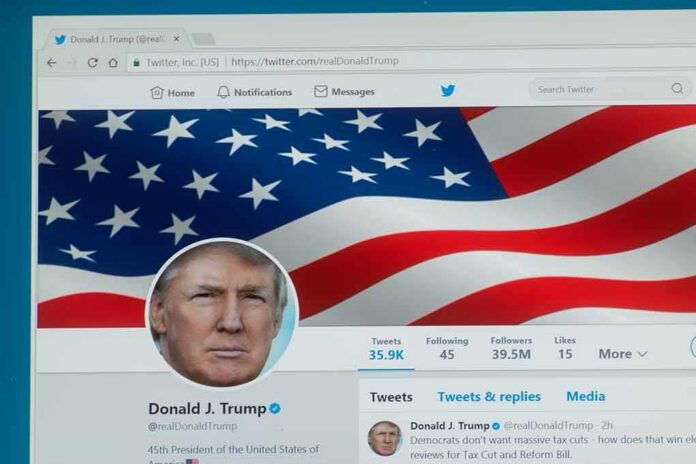
President Trump put $1 million on the line for tips that help arrest and convict voter fraud offenders before and after the 2026 midterms.
Story Snapshot
- Trump offered $1 million for information that leads to arrest and conviction in voter fraud cases.
- The offer applies to past elections and the 2026 midterms, with a broad scope.
- Reporters say funding, rules, and the process to claim the reward were not detailed.
- News accounts note fraud cases do happen, though not on a large scale.
What Trump Announced And When He Said It
On October 26, 2026, President Trump told Americans he would pay $1 million to anyone who reports voter fraud that results in an arrest and a conviction. He posted the offer on social media and repeated it in on-camera remarks the same day. He said the reward covers both past elections and the upcoming 2026 midterms. The condition is clear: the tip must help lead to charges and a guilty verdict before any money is paid.
The timing matters. The midterm elections are days away. Many voters are concerned about election rules, ballot security, and chain-of-custody gaps. By setting a high bar for payment, Trump aimed at serious cases, not rumor or noise. The standard ties the reward to proven crimes in court. That makes it harder for bad-faith claims to cash in, but it could also slow payouts because convictions take time and strong evidence.
Key Details Missing And Why They Matter
Reporters asked how the government would run this offer. Coverage says the announcement did not identify a funding source, an agency to manage tips, or a step-by-step process to submit claims. No rules were shared on who decides if a tip led to a conviction, how to split a reward among many tipsters, or what crimes qualify. Without these guardrails, honest citizens could face confusion about where to send evidence and how eligibility will be judged.
Those gaps create risk. Clear rules protect both whistleblowers and the government. A defined portal, chain-of-custody for evidence, and written standards can block false reports and shape solid cases for prosecutors. The arrest-and-conviction trigger also raises legal questions. A local district attorney or a state attorney general, not the White House, will bring most voter fraud charges. That means many moving parts must align before any reward can be paid.
What We Know About Actual Voter Fraud Cases
News accounts point to cases that do occur, though not in massive numbers. Examples include people submitting ballots for a deceased relative or lying on a mail ballot form. One tracker maintained by a policy group has logged more than a thousand incidents over decades. Major outlets continue to say there is no proof of fraud on a scale that swings national races, even while noting that real offenders do get caught and punished.
Hmmm REMEMBER PEOPLE… PRESIDENT TRUMP IS OFFERING A HUGE $ REWARD(1 MILLION DOLLARS) FOR ANYONE REPORTING VOTER FRAUD THAT ENDS WITH A CONVICTION! https://t.co/hyg7o54zYD
— 😎LisaMarie😎 (@LisaSteelersGal) October 27, 2026
Trump’s offer targets these real crimes. A cash reward can motivate insiders to come forward with documents, texts, or firsthand details that police can use. If the program sets up a reliable intake path and works with state and local law enforcement, it could speed the flow of strong leads. If it lacks structure, it could flood hotlines with noise. The difference lies in clear rules, firm standards, and fast routing to prosecutors.
What Comes Next For Voters And Officials
Eight days before voting, the message is simple: if you see something that looks like election fraud, document it and report it to police and election authorities, not social media. Keep records. Save dates, times, and names. The White House has not released operating details, so use existing local and state reporting channels. Solid evidence moves cases. Hearsay does not. Patriots care about clean rolls, one legal vote per citizen, and fair counts. So do honest officials.
Bottom Line For Election Integrity
Trump’s $1 million pledge raises the stakes for anyone tempted to cheat. It also challenges institutions to act fast and fair. Conservatives want secure elections, equal rules, and real penalties for fraud. The promise sets a tough standard by tying cash to a conviction. For it to work, the administration must publish clear guidance: who runs intake, how tips are logged, how causation is judged, and when payouts occur. Until then, report facts through established law enforcement paths.
Sources:
thegatewaypundit.com, upi.com, nytimes.com, france24.com
© standardheadlines.com 2026. All rights reserved.