
Ukraine says it is ready to halt the shooting on land, at sea, and in the air for a monitored 30-day ceasefire to launch talks toward peace, if Russia does the same.
Story Snapshot
- Ukraine offered an immediate, full ceasefire covering land, sea, and air as a first step to talks.
- A U.S.-Ukraine joint statement outlines a 30-day, extendable pause, contingent on Russia’s concurrent acceptance.
- Kyiv ties the pause to outside monitoring and security guarantees, not just promises on paper.
- The offer does not concede permanent borders or territory; final status would be negotiated later.
What Ukraine Formally Offered and When
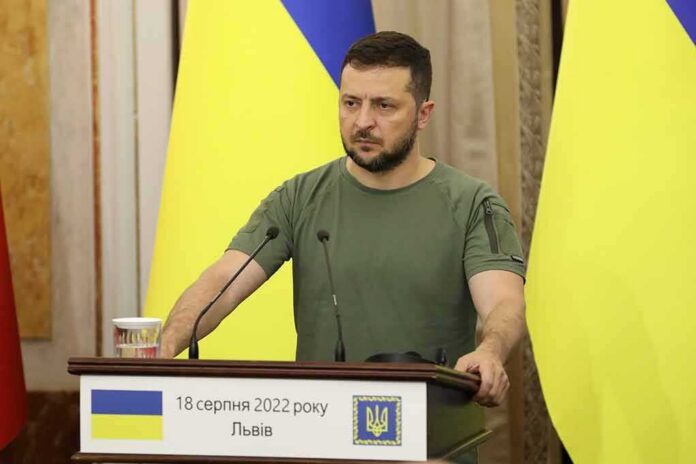
Ukrainian President Volodymyr Zelenskyy stated that Ukraine is ready for an immediate and unconditional ceasefire as an on-ramp to peace talks. He described “silence” across domains: at sea, in the air, and on the ground, to stop attacks while talks begin. He framed the ceasefire as a first step, not the end point. His address said a “real and lasting” ceasefire should open the door to a secure peace that follows later negotiations.
A joint statement from the Ukrainian and American delegations set operational terms for the proposal. It described an interim 30-day ceasefire, extendable by agreement, and conditioned on Russia accepting and implementing it at the same time as Ukraine. That reciprocity matters. It signals Ukraine would not freeze the front alone. It also puts the onus on Moscow to match the halt so the pause takes hold in practice, not just on paper.
Monitoring, Security Guarantees, and What Is Not Decided
Kyiv paired the pause with a plan for outside monitoring and future security guarantees. Ukrainian officials referred to a monitoring system by partner states and said legal guarantees would activate once the ceasefire starts. These measures aim to verify compliance and deter quick violations. The documents do not publish every rule or penalty, so the exact mandate and response times for monitors are not fully spelled out in public materials.
The proposal does not settle the biggest questions yet. It does not recognize permanent territorial changes or redraw borders. It leaves sanctions, displaced families, security arrangements, and the legal status of occupied areas to later talks. That is by design. The ceasefire is the first stage, meant to stop bloodshed and create space for bargaining. The line of contact would function as a pause line, not a legally recognized border.
How a Front-Line Pause Fits Modern Conflict Patterns
This approach follows a pattern seen in recent wars. Many conflicts now pause before they end. Research on frozen conflicts shows that ceasefire lines do not automatically become borders under international law. They can, however, harden politically if left in place for long stretches without a broader deal. That is why design details, monitoring, and outside backing can shape whether a pause becomes progress or stalemate.
**Zelenskyy says Washington throttled Starlink and intel alerts while Russia smashed 28 substations and left 550,000 households dark overnight into Oct 19.**[[1]](https://t.co/4WlObdcLPD)
[Take 13/15 · 𝕏-3]
### 1. The Frame
**What people think this is about:** Russia’s latest…— GrumpyNews, emotionally clean news. (@GrumpyNews_) October 19, 2026
Policy studies also find that the type of ceasefire and its enforcement plan affect whether violence drops or returns. Well-defined terms, verification, and credible responses to violations can reduce the chance of a quick breakdown. Poorly built ceasefires tend to fray. Ukraine’s pairing of a time-limited pause with monitors and later guarantees mirrors these lessons, while keeping core disputes for the negotiating table rather than forcing a settlement up front.
Why This Matters for Americans of All Stripes
For conservatives focused on ending open-ended foreign costs, a defined, monitored pause could lower the risk of another long war bill. For liberals worried about human rights and civilian harm, a verified halt could save lives and energy grid targets. For everyone frustrated with elite drift and government failure, the specifics matter. Clear terms, outside checks, and time limits offer more accountability than vague promises that can be spun by any side.
What Comes Next and the Limits of What We Know
The immediate next step is Russia’s response. The Ukrainian-American text makes the 30-day ceasefire contingent on Moscow accepting and implementing it at the same time. Without that, the offer cannot take effect. Public documents show Kyiv’s posture and the proposed design. They do not disclose a full enforcement manual or every rule for monitors, which limits what can be assessed from open sources today.
Sources:
facebook.com, president.gov.ua
© standardheadlines.com 2026. All rights reserved.