

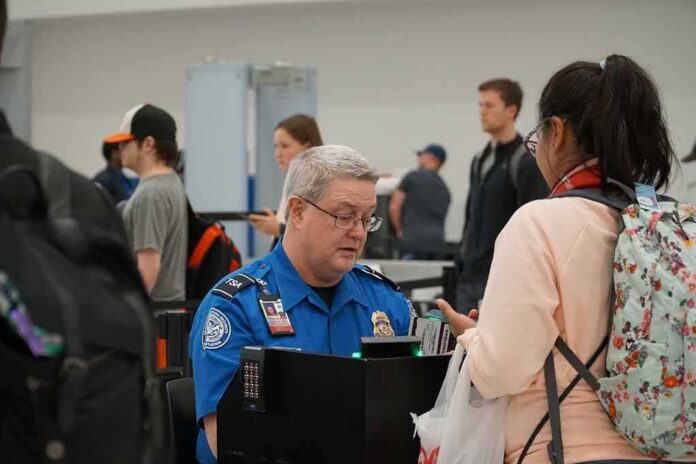
The Transportation Security Administration says peanut butter counts as a liquid in carry-ons, so anything over 3.4 ounces gets stopped at the checkpoint.
Story Highlights
- TSA classifies peanut butter as a spreadable liquid for carry-on screening.
- Only containers of 3.4 ounces (100 milliliters) or less can go through.
- The rule follows the broad liquids standard shaped by post-2006 threats.
- Online debate shows public fatigue with confusing, one-size-fits-all rules.
What TSA Decided And What That Means For Travelers
The Transportation Security Administration lists peanut butter as allowed in carry-on bags only if the container is 3.4 ounces or smaller. The agency treats it like other spreadable items under the liquids, gels, and aerosols rule. Larger jars must go in checked bags or get pulled at screening. The decision aligns with the agency’s public test: if you can spill it, spread it, pump it, spray it, or pour it, it is a liquid for screening purposes.
The 3.4-ounce cap and the quart-size bag rule remain the standard for liquids in the United States. This limit, often called “3-1-1,” focuses on container size, not how much is left inside. A half-full large jar still fails. The framework comes from security rules that have been in place for years and are meant to keep screening fast and consistent across airports and lines.
Why Peanut Butter Falls Under The Liquids Rule
Transportation security officials say peanut butter lacks a fixed shape and takes the shape of its container. That matches how they define spreadable items like hummus or soft cheeses. The logic is simple for checkpoint officers: if the item can be spread, it fits the liquids and gels bucket and must meet the size limit. The New York Times reported the agency’s spreadability reasoning during an earlier flare-up of this debate.
Regulators built this broad screen after liquid explosive plots in 2006 changed global airport rules. Officials needed a fast way to sort risky items from safe ones without opening and testing every container. They landed on a size limit that reduces risk and keeps lines moving. The result is a simple rule that catches edge cases, like peanut butter, that feel solid to travelers but act like a gel in a container.
Why This Sparks Pushback Across The Political Spectrum
Air travelers on the left and right see this as another example of rules that feel rigid and out of touch. People want security, but they also want common sense at the checkpoint. A jar of peanut butter triggering a bag search looks like box-checking, not judgment. The online jokes and frustration show how small hassles add up and fuel the belief that federal systems serve the system first, and the traveler last.
If you are traveling for Labor Day, the TSA is reminding you that Peanut Butter is a liquid, and subject to the same rules other liquids are.
We aren't making this up. They posted on X about it.
PHOTO: Getty Images pic.twitter.com/epvthqvpH2
— Talk Radio 1190 (@talkradio1190) September 4, 2026
Fairness and clarity are the stakes. Most people can follow clear rules when they make sense. But broad tests like “spill, spread, spray, pump, or pour” sweep in many foods. That leads to confusion, repacking at the belt, and tossed snacks. The fix is not a viral exception for one item. It is better pre-trip guidance and steady, even enforcement so travelers know what to expect and can plan around it every time.
Sources:
facebook.com, foxnews.com, tsa.gov
© standardheadlines.com 2026. All rights reserved.