

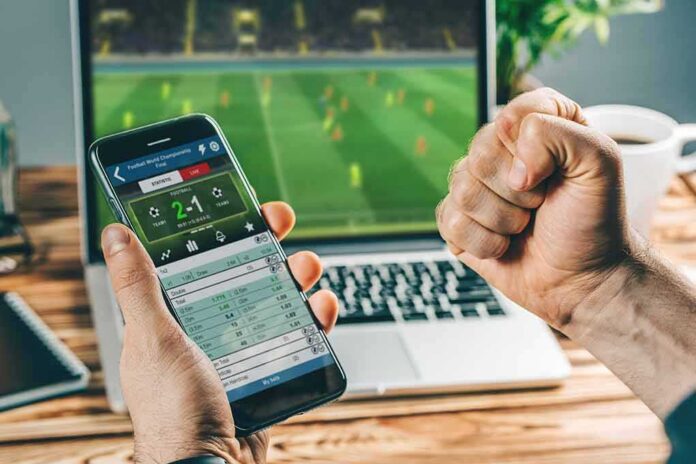
Seven artificial intelligence models spent this year forecasting all 104 matches of the FIFA World Cup before a single ball was kicked, turning soccer’s biggest stage into a live science experiment on machine prediction.
Quick Take
- A 2026 research benchmark called LLM-SoccerArena had seven large language models forecast every World Cup match and 15 tournament questions in real time, before outcomes were known.
- Commercial platforms like Sports AI, Predictium, and DAX Analytics now advertise live, in-game win probabilities that update after every goal or red card.
- Market researchers value the AI-in-sports industry at 9.76 billion dollars in 2026, with projections near 33.32 billion dollars by 2031.
- Independent academic studies show most sports prediction models plateau around 70 percent accuracy and rarely beat betting markets over time.
The World Cup Became AI’s Biggest Public Test
Reporters covering the 2026 World Cup described prediction software that recalculated the odds of every team winning the whole tournament after each major event on the field. One system, cited by Observer, updated its simulation after “every goal, every red card, every full-time whistle, every penalty”. That kind of real-time recalculation, once limited to research labs, played out in front of a global television audience this summer.
What the Vendors Claim They Can Do
A cluster of companies now sell live sports forecasting as a consumer product. Sports AI says it feeds in team form, injuries, rest, and head-to-head history to produce a probability for every possible outcome. Predictium markets what it calls “walk-forward validated” models, a term suggesting the system was tested on data it had never seen before. Other platforms, including DAX Analytics and Axiom Edge, advertise similar in-play probability tools built for everyday fans, not just analysts.
The gap between these consumer pitches and outside verification matters. Most of the specific accuracy numbers floating around, like “81 percent average” or “70 to 85 percent accuracy,” come from the companies themselves. None of the material reviewed shows an independent lab checking those numbers against actual results, sample sizes, or how many games were included.
The Benchmark Behind the Hype
The most rigorous public test so far comes from LLM-SoccerArena, a research paper posted in July 2026. It describes a “prospective live benchmark,” meaning the models made their picks before anyone knew the outcome, which rules out the common trick of tuning a model after the fact. Seven language models forecasted all 104 World Cup matches plus 15 tournament-wide questions, giving researchers a real, apples-to-apples scoreboard.
That single benchmark is a meaningful step forward, but it covers one tournament and one sport. It does not prove that AI models beat traditional statistical methods across basketball, tennis, or football on a regular season basis. Treating one successful World Cup demonstration as proof that AI has cracked sports prediction broadly would be getting ahead of the evidence.
Why Accuracy Numbers Don’t Tell the Whole Story
Academic research on sports betting models has run this experiment for years, and the results are humbling. Studies on tennis prediction models found accuracy tops out around 70 percent no matter which algorithm gets used, and none of them consistently beat the betting markets once real money odds are factored in. A separate arXiv paper found that for basketball, how well a model’s confidence lines up with reality, called calibration, matters more than raw accuracy for anyone trying to find a real edge.
A livestream used to be something you watched.
Taunt Live is building toward something you can play inside.
Think about what happens during a live football match.
A goal is coming.
A corner is about to be taken.
The momentum is shifting.
Instead of waiting until the match… pic.twitter.com/54c4XN8BQ4
— Somma🇳🇱💜🌹 (@itzslyviadgreat) September 3, 2026
The market is not waiting for that debate to settle. Analysts estimate the AI-in-sports sector will nearly quadruple in size by 2031. That kind of money draws serious builders and serious marketers alike, and consumers should expect both. The World Cup benchmark shows the technology is real and testable. What still needs to happen is the same kind of open, checkable scrutiny for the products fans are being asked to trust with their own money.
Sources:
insiderpaper.com, sports-ai.dev, predictium.ai, daxanalytics.ai, sportstensor.io, uni-koeln.de, observer.com
© standardheadlines.com 2026. All rights reserved.