
Tiger Woods walked out of court with his driver’s license suspended for five years and a reckless-driving plea that leaves a sharper question: what exactly proved impairment when alcohol did not?
Story Snapshot
- Deputies arrested Woods after a rollover crash; breath test showed 0.000 alcohol.
- Reports describe signs of impairment and two pain pills found in his pocket.
- A prior toxicology report listed several medications and THC metabolites.
- Woods accepted a plea to reckless driving and a five-year license suspension.
What Police And Prosecutors Said Happened
Deputies responded to a rollover crash in Florida and detained Tiger Woods. The arrest report, as described in news accounts, said he looked lethargic and showed signs of impairment at the scene. Later coverage said deputies found two hydrocodone pills in his pocket, which supported their suspicion of impaired driving tied to medication, not alcohol. These are the nuts and bolts that start many drug-impaired driving cases: observations, statements, found pills, and a crash with no sober explanation offered on the spot.
At the jail, a breath test measured 0.000, so alcohol was not the theory. Officers asked for a urine test. Reports say Woods refused. That decision removed the simplest path to confirm active drugs at the exact time of driving. Prosecutors then had to lean harder on officer observations, crash details, and any later lab findings that pointed toward recent use. That approach is common but more fragile because presence alone is not proof of impairment at the wheel.
What The Tests Did And Did Not Prove
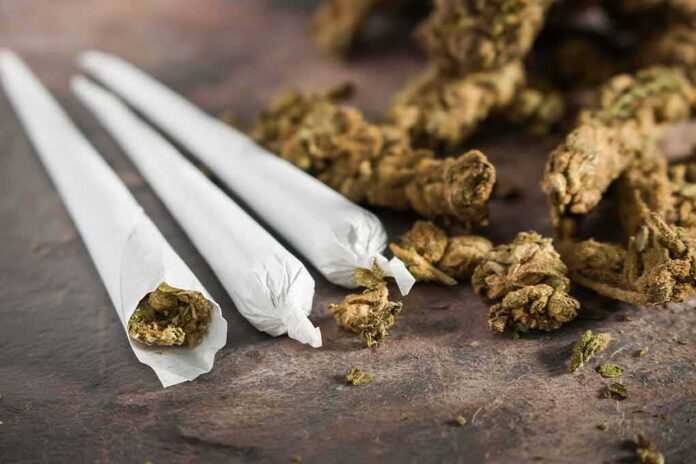
A toxicology report released months after the 2017 arrest listed hydrocodone, hydromorphone, alprazolam, zolpidem, and tetrahydrocannabinol metabolites. That list shows exposure to pain, anxiety, and sleep drugs, plus cannabis markers. It also raises the core legal gap. Those results speak to what was in the body at some point, not necessarily what was impairing at the crash moment. That difference is exactly why drugged-driving cases often hinge on field signs and expert testimony rather than a single number.
Prosecutors later sought medical records to connect the dots between prescriptions, timing, and any misuse. That move tracks the standard playbook: tie a crash to recent dosing, then show how that dosing could impair balance, focus, and reaction time. The defense usually answers with dose, tolerance, lawful use, and alternative causes, like distraction. The back-and-forth tends to erode certainty unless the state can anchor timing with clean lab evidence or sharp video of obvious impairment.
The Plea Deal, The Ban, And What It Signals
Woods changed his plea and resolved the case with a no-contest to reckless driving. The court imposed a five-year driver’s license suspension and a fine, a stiff hit for any driver, celebrity or not. Prosecutors described a deterioration of proof as the case moved forward, which helps explain the reduced charge. That is not a declaration that deputies were wrong; it is an admission that trial-proof impairment was no longer strong enough for a clean win on a driving under the influence count.
A Florida judge suspended Tiger Woods' driver's license for five years and ordered him to pay a $1,500 fine on Wednesday, part of a plea agreement reached with prosecutors following his March 2026 arrest for suspected DUI after a crash on Jupiter Island. https://t.co/NdcBwREdSV pic.twitter.com/VxCm5xWacG
— FOX 2 Detroit (@FOX2News) September 3, 2026
American conservative values favor two things here: personal responsibility and fair process. A rollover crash, officer observations, and found pills justify a hard look. A 0.000 breath test and a later charge reduction counsel restraint on sweeping claims. The outcome splits the difference. The state kept accountability for unsafe driving. The court avoided branding someone with a driving under the influence conviction without lab-timed proof. That is how a system should work when facts are mixed.
Why This Case Became A Rorschach Test
Fans saw a phone distraction story and a negative breath test and asked, where is the drug proof? Skeptics saw the crash, the field signs, and the pills and asked, why not a conviction? Celebrity status supercharged both views. The smarter read is simpler. Drugged-driving cases are hard because chemistry lags conduct. Without a timely blood or urine sample, prosecutors must sell a puzzle with pieces missing. Defense counsel only needs to show enough doubt to make a jury hesitate.
Golf’s question now turns practical: does a five-year license suspension mean anything for carts? Court orders control state driving, not private club carts. Tournaments set their own cart rules. A state license penalty does not ban someone from riding in or driving a golf cart on private property. Expect events to apply their safety policies and insurance terms. Expect Woods to rely on drivers and shuttles. The legal hammer fell on roads, not fairways.
What To Watch Next
Case files may surface more video or transcripts from the scene. Those can sharpen public memory of what officers saw and what Woods said. Medical-record subpoenas, if litigated in public, could map dosing and timing. None of that will change the plea. It may, however, teach a lesson drivers ignore at their own risk. Medications that help you sleep, calm anxiety, or dull pain can also slow reaction time. If you need them, plan your ride before you turn the key.
Sources:
feedpress.me, news4jax.com, bbc.com, cnn.com, espn.com
© standardheadlines.com 2026. All rights reserved.