
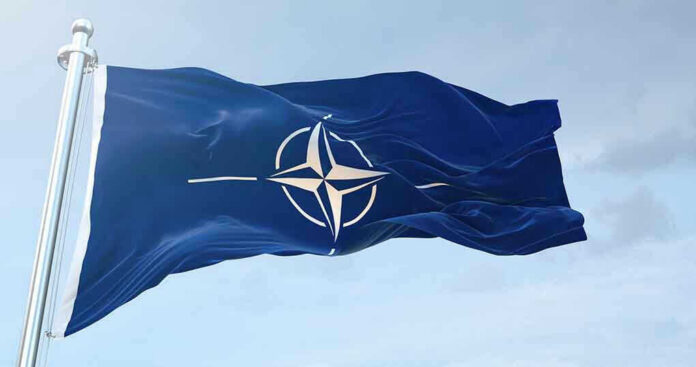
At a NATO press event, President Trump said he is “number one on Iran’s kill list,” putting a hard edge on already high-stakes U.S.–Iran tensions.
Story Highlights
- Trump publicly claimed Iran ranks him as its top assassination target during a NATO press exchange.
- A separate Justice Department case detailed an Iranian-linked murder-for-hire plot aimed at Trump, underscoring real threats.
- No public evidence confirms a formal Iranian “kill list” or Trump’s rank on it, leaving verification unresolved.
- The claim follows months of strikes and rhetoric about Iranian leadership losses and regime pressure.
Trump’s On-Record Claim at NATO Press Exchange
During a NATO press exchange, President Donald Trump stated, “I’m number one on the kill list for Iran.” He repeated the line across multiple media moments, including an interview where he linked the threat to his travel security decisions. The statement came as he discussed regional risks and ongoing pressure on Iran’s leadership. The comment drew immediate attention because it framed the stakes in personal and national terms, and because the President made it on camera in a formal diplomatic setting.
Trump’s wording suggested a formal enemy ranking and an organized assassination effort aimed at top American figures. He placed his claim within a broader picture of conflict with Iran’s rulers and their security arms. He also connected the threat to operational choices around presidential logistics. Supporters saw a leader being transparent about danger. Critics asked for corroborating details. The claim landed in the middle of complex U.S.–Iran actions and messaging, where facts, secrecy, and perception often mix.
What We Know From Law Enforcement and Open Sources
The U.S. Department of Justice charged individuals in a thwarted plot that prosecutors tied to Iran and said targeted Trump, showing a real assassination threat environment even if a formal “kill list” is not public. The case adds weight to the idea that Iran or its partners seek revenge against American leaders. Trump also told ABC News the current Iran operation could take weeks, stressing sustained pressure and risk during this window of conflict and instability. These points support serious security steps for U.S. officials.
Public sources do not confirm a specific Iranian document that ranks Trump first on an official list. Major outlets and monitors reported Trump’s description, but did not produce direct evidence of a numbered list or its chain of custody. That gap matters for verification. It does not erase the pattern of Iranian threats against American officials, which has been reported for years. It does shape how we present the claim: the danger is credible; the exact “number one” label remains unverified in public channels.
Why This Matters for U.S. Security and Policy
Clear, credible threats demand strong deterrence, tight security, and unity at home. When a foreign regime or its partners target an American president, it challenges our sovereignty and the safety of our elections. The administration’s job is to defend the homeland, protect U.S. officials, and punish planners and sponsors. That means intelligence focus, lawful interdictions, and pressure that raises the cost for any plotters. It also means honest talk with the public about risk and response.
"I like being number one on TikTok better"
US President Donald Trump has claimed that Iran may target him personally, saying he is “number one” on Tehran’s alleged kill list.
Speaking about the threat, Trump said he was not concerned because he was “doing his job” and argued… pic.twitter.com/Ft6S5rVeqL
— Global South World (@g_s_world) July 8, 2026
Conservatives know weakness invites aggression. Border chaos, energy shocks, and federal overreach sap our strength. When Washington dithers, bad actors push harder. A firm posture toward Iran, a real wall against terrorism, and a rebuilt energy sector make America safer and more free. The Constitution is not safe in a world where foreign hit teams can reach our leaders. Peace comes from strength, not slogans. The White House and Congress should align on that first principle now.
How to Read the Claim Amid Conflicting Reports
Trump’s “number one” line is his on-record account, and it fits a real threat picture supported by an Iran-linked plot case in U.S. court records. At the same time, there is no public proof of a formal list or a rank order, and reports that all top Iranian leaders were killed have been contradicted by later coverage. The prudent view is simple: treat the threat as real, demand proof for the ranking, and keep pressure on Iran’s networks until the danger is neutralized or exposed.
Sources:
facebook.com, youtube.com, instagram.com, nbcnews.com
© standardheadlines.com 2026. All rights reserved.