
Iran attacked three commercial ships in the Strait of Hormuz — and the U.S. military answered with nearly 90 precision strikes to make sure it doesn’t happen again.
Story Snapshot
- Iran attacked at least three commercial vessels in the Strait of Hormuz on July 6–7, 2026, triggering a new round of U.S. military strikes.
- U.S. Central Command hit roughly 90 Iranian targets, including air defense systems, radar, missile storage, and dozens of small attack boats.
- A Cyprus-flagged container ship was later attacked by Iran’s Islamic Revolutionary Guard Corps navy, causing engine damage and leaving one crew member missing.
- The Strait of Hormuz carries about 20% of the world’s oil and gas — Iran’s attacks directly threaten global energy supplies and American wallets.
Iran Attacks Ships, U.S. Strikes Back Hard
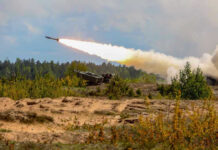
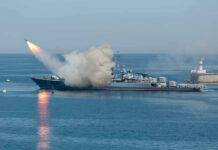
Iran’s Islamic Revolutionary Guard Corps attacked at least three commercial vessels in the Strait of Hormuz on July 6–7, 2026. The U.S. military responded fast. U.S. Central Command confirmed it completed a new round of strikes hitting over 80 Iranian targets, including air defense systems, command and control networks, coastal radar stations, anti-ship missile sites, and roughly 60 small attack boats used to harass shipping lanes.
The strikes focused on Iran’s southern coast — the area Iran uses to threaten the narrow passage where a huge share of the world’s oil flows through every day. U.S. Central Command stated the goal plainly: degrade Iran’s ability to attack ships and keep the Strait of Hormuz open. Admiral Brad Cooper confirmed after the strikes that Iran’s ability to hit ships in the strait had been significantly reduced.
Ceasefire Collapses, Third Round of Strikes Follows
The July strikes came after a ceasefire from earlier in 2026 fell apart. That ceasefire had ended “Operation Epic Fury,” the U.S.-Israeli military campaign that began February 28, 2026. That operation targeted Iranian leadership and infrastructure over several weeks. When Iran resumed attacks on shipping after the ceasefire, President Trump ended the truce and authorized new strikes.
A second day of strikes hit roughly 90 targets total. Then Iran escalated again. The Islamic Revolutionary Guard Corps navy attacked a Cyprus-flagged container ship trying to pass through the strait. The ship suffered serious engine room damage from the attack, caught fire, and one civilian crew member went missing. U.S. Central Command called the attack “blatant.” A third round of U.S. strikes followed shortly after.
The Strait of Hormuz — Why This Matters to Every American
The Strait of Hormuz is one of the most important waterways on earth. About 20% of all global oil and natural gas passes through it. When Iran threatens that passage, it threatens energy prices worldwide — including what Americans pay at the gas pump. Iran has used this chokepoint as a weapon before. It mined the strait back in the 1980s, forcing the U.S. military to act then too.
Morning Briefing 🌍 | Overnight geopolitics while India slept:
• US launches fresh strikes on Iranian military targets near Strait of Hormuz after ship attacks; Iran declares waterway closed & expands Gulf ops. Oil prices surging.
• Major escalation risks global energy shock.…— Supriyo Maity (@MaityAlpha) July 13, 2026
Iran declared the strait closed again after the latest strikes, claiming ships using “unauthorized routes” were fair targets. That claim has no standing under international law, which guarantees the right of innocent passage. The U.S. military’s response sends a clear message: Iran does not get to hold the world’s energy supply hostage. American strength in the region is the only thing keeping those shipping lanes open and oil prices from spiking even higher.
What Comes Next
Tensions remain high across the region. Explosions were reported near Bahrain after Iran launched ballistic missiles toward U.S. military positions there. Air raid sirens sounded in Jordan as Iranian missiles were intercepted. Iran also warned that any country helping the U.S. with strikes could become a military target itself — a threat aimed at American allies in the Gulf. The situation is still developing and further escalation remains possible.
Sources:
cbsnews.com, youtube.com, en.wikipedia.org, brookings.edu, unitedagainstnucleariran.com, x.com, thehill.com, facebook.com, congress.gov
© standardheadlines.com 2026. All rights reserved.