

A sitting American senator, once Trump’s sharpest critic, spent his final evening on the phone with the president who now calls him a “true American patriot.”
Story Snapshot
- President Trump is mourning Senator Lindsey Graham as a close ally and “American patriot” after Graham’s sudden death at 71.
- Trump says his last phone call with Graham came just hours before the senator died from what his office called a brief and sudden illness.
- Graham’s journey from Trump rival to loyal partner shaped key battles over judges, foreign policy, and spending in Washington.
- Media coverage is already picking apart Trump’s tribute and Graham’s cause of death, highlighting familiar bias against conservative leaders.
Trump’s Public Tribute To A Fallen Ally
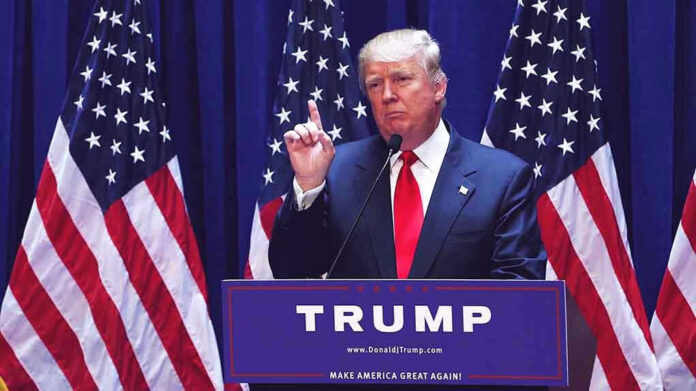
President Donald Trump moved quickly to honor Senator Lindsey Graham after news broke that the longtime South Carolina Republican died at 71 following what his office described as a brief and sudden illness. Trump released a social media statement calling Graham an “American patriot,” praising his years of service and loyalty. Reports note that Trump also described Graham as “one of the greatest people and senators he’s ever known” during a Fox News interview, underscoring how far their relationship had come from the 2016 campaign fights.
News outlets across the spectrum rushed to carry Trump’s tribute alongside official statements from Graham’s Senate office. Coverage stressed Graham’s role as a close Trump ally in recent years, pointing to his defense of Trump on judicial nominations and national security. Some left-leaning voices online tried to downplay Trump’s praise, but many colleagues, including critics, echoed the “patriot” language when remembering Graham’s decades in Washington. For Trump, the message was simple: Graham fought for America, and his loss leaves a real gap.
The Final Phone Call And A Changed Relationship
Trump has told interviewers that Graham called him the night before his death, just after returning from a trip to Ukraine. During that conversation, Trump says Graham sounded “a little tired” but “perfect” otherwise, and they talked about ongoing work on legislation and foreign policy. Trump reportedly ended the call with, “We’ll get it done, Lindsey. I’ll see you soon,” a line that has now taken on extra weight as supporters replay the clip from his “Meet the Press” appearance.
That intimate story highlights how far the two men traveled politically. Lindsey Graham began as one of Trump’s most vocal critics in the 2016 primary, attacking his style and questioning his judgment. Over time, Graham shifted, becoming a frequent visitor to the Trump White House and a key voice backing Trump’s picks for the Supreme Court and federal courts. By the end of Graham’s life, major outlets and local stations alike were describing him as a “close Trump ally,” a label that reflected years of shared fights over spending, foreign policy, and judicial power.
Graham’s Record And Why His Loss Matters To Conservatives
Lindsey Graham’s Senate biography shows a long record that matters to many conservative voters. He served South Carolina in the Senate since 2003 after time in the House and state legislature, building a reputation as a defense hawk and budget cutter. One national conservative group even called him a “Taxpayer Hero” for pushing to cut wasteful spending and lower taxes. Graham also served in the Air Force Reserve for 33 years, retiring as a colonel, which Trump and other leaders cited when calling him a patriot who understood the cost of war.
TRUMP: (The Strait of Hormuz) is open, and I don't want to talk about because I want to honor the life of Lindsey Graham, so I don't want to talk about it. I told you that before the call. pic.twitter.com/5DVvfE1yyR
— Energy Headline News (@OilHeadlineNews) July 12, 2026
For Trump supporters, Graham’s death removes a reliable vote and a familiar face in key battles. He backed Trump on judges who respect the Constitution, stood up for strong borders, and fought for a robust military posture as threats grew overseas. While grassroots conservatives sometimes clashed with Graham over issues like foreign intervention, many now see his late-career alliance with Trump as proof that strong leadership can bring skeptics into the fight against globalism, runaway spending, and anti-American cultural agendas. His absence will be felt in every future Senate showdown.
Media Framing, Unanswered Questions, And The Road Ahead
Graham’s office has described his passing only as the result of a “brief and sudden illness,” and major outlets have repeated that phrase while noting the lack of a detailed medical report. Trump’s comment that Graham was “tired, but perfect” on their final call does not match the grim reality that emergency crews responded shortly after to a fatal health crisis. That gap is already giving some reporters room to question Trump’s description of Graham’s condition, even though no evidence suggests Trump misstated anything on purpose.
This pattern is not new in American politics. When a high-profile senator dies, the president’s tribute often becomes a second story all on its own. Analysts point out that most senatorial deaths since 2000 have sparked at least one media controversy over tone, accuracy, or political motives behind official statements. In this case, Trump gains some political capital by showing loyalty to a former critic turned ally, reminding other Republicans that he values those who stand with him. At the same time, familiar media voices are eager to chip away at that story, focusing on medical details and past intra-party fights rather than Graham’s decades of service.
Sources:
mediaite.com, nbcnews.com, instagram.com, kcra.com, apnews.com, facebook.com, wjcl.com, firstcoastnews.com, nypost.com
© standardheadlines.com 2026. All rights reserved.