
After waves of U.S. strikes on more than 80 to 90 Iranian targets this month, Washington and Tehran are trading blows that risk a wider war even as officials still dispute how much Iran’s nuclear program was actually hurt last year.
Story Snapshot
- U.S. forces hit 80–90+ targets in Iran after ship and tanker attacks, as Iran fired back at U.S.-aligned sites.
- President Donald Trump earlier said 2025 strikes “obliterated” key nuclear facilities; officials echoed severe damage claims.
- Early intelligence leaks said Iran’s program was set back by months, not destroyed, fueling a sharp debate in Washington.
- Both parties now face a hard truth: continued tit-for-tat strikes raise costs without clear long-term goals.
What Just Happened: The Latest Exchange of Fire
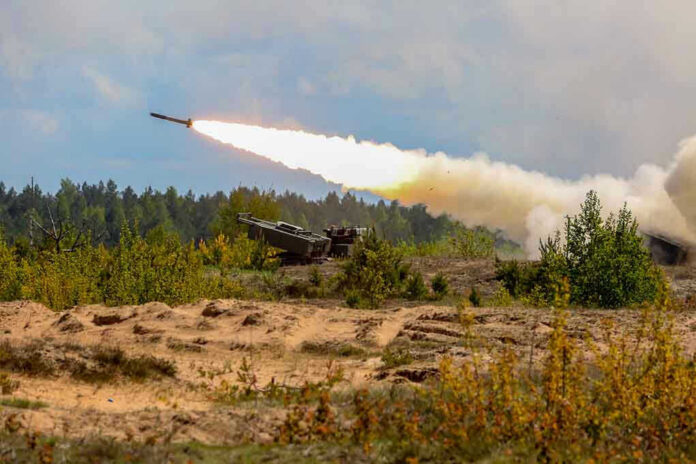
United States Central Command reported fresh airstrikes in early July against Iranian military targets, with counts ranging from more than 80 to about 90 sites, including air defenses and radar nodes. U.S. officials framed the action as a response to Iranian attacks on shipping and U.S.-linked targets around the Strait of Hormuz. Iranian forces then fired at sites in U.S.-aligned countries, pushing an already tense region closer to a broader fight. The strikes lasted under two hours, according to one account.
These operations follow a steady pattern since 2025: a flare-up, a U.S. strike wave, and rapid Iranian answers. Each round aims to reestablish deterrence. Each also risks missteps. Shipping routes carry energy and goods the world needs, so attacks there can raise prices and strain supply chains. Families with service members feel every alert. People across the spectrum see power plays, mixed messages, and mission creep while leaders argue over outcomes and timelines.
The 2025 Nuclear Strikes: What Was Claimed
On June 21–22, 2025, the United States hit three Iranian nuclear sites tied to uranium enrichment: Natanz, Fordow, and Isfahan, in a joint air and sea operation described in official and open records. President Donald Trump said the facilities were “completely and totally obliterated,” and senior defense briefings soon highlighted “extremely severe damage” at all three sites. Those messages cast the operation as a decisive success meant to stop Iran from advancing toward a weapon.
The claim fit a familiar storyline used after high-profile strikes: set clear red lines, hit hard, and declare victory. Supporters said public certainty helps deter the other side and steady shaky markets. They argued that deep damage to underground halls, power lines, and access shafts would take Iran a long time to repair. They also said the strikes warned Tehran and its partners that future attacks would carry even greater cost.
What Early Intelligence Said: Damage, But Not Destruction
Within days, early bomb damage assessments began to leak. Reporters cited a preliminary Defense Intelligence Agency view that the strikes likely set Iran’s program back by months, not years, and did not “destroy” its core capabilities. The BBC and other outlets echoed that the program was degraded yet intact enough to recover with time and resources. The picture that emerged was significant damage at key nodes, but not a full dismantlement of Iran’s enrichment effort.
This split between public victory claims and quieter intelligence lines mirrors past conflicts. Leaders often state maximal results to deter foes and reassure allies. Analysts tend to speak in ranges, warn about unknowns, and avoid final calls until inspectors, overhead imagery, and signals reports mature. Here, the public debate grew sharp. The White House pushed back, while some media and independent experts urged caution about the word “obliterated”.
Why This Matters Now: Risks, Costs, and Credibility
Today’s larger strike waves reopen the core questions. If Iran can still launch missiles, drones, and harassment at sea, then U.S. goals must be clear and realistic. Hitting 80 to 90 targets looks strong, but endurance matters more than optics when shipping lanes, bases, and partners remain under fire. Markets punish uncertainty. Families pay the price of repeated deployments. Taxpayers shoulder costs while leaders argue over the true effects of past operations.
OPERATION EPIC FURY || DAY 137
CENTCOM confirms third round of US strikes on Iran this week, hitting approx. 140 military military targets/missile drone sites, Naval assets, ammo depot, comms networks, coastal surveillance. 300+ targets struck over three consecutive nights.
the…
— Lives&Lores (@LivesandLores) July 12, 2026
Americans across the right and left share a worry here. They see claims change week to week, while the risk of a wider war rises. Some distrust grows when public lines and leaked assessments do not match. People want straight talk: What are the goals? How will we measure success? What is the exit plan if strikes do not change behavior? Clear answers, backed by verifiable facts, rebuild trust better than bold words that later need walking back.
Bottom Line: Power Without a Plan Invites More Fire
The record shows the United States can hit hard and fast. The record also shows Iran can absorb pain and still hit back. The 2025 operations likely caused heavy damage to enrichment sites, but early intelligence suggested delay, not destruction. The 2026 strikes broadened the target list to air defenses and launch sites, yet Tehran’s responses kept coming. Strength needs strategy, metrics, and honesty, or force becomes a cycle instead of a solution.
Sources:
taskandpurpose.com, npr.org, france24.com, youtube.com, foxnews.com, en.wikipedia.org, nytimes.com, facebook.com, intelligence.house.gov, x.com, bbc.com
© standardheadlines.com 2026. All rights reserved.