

President Trump formally told Congress he resumed hostilities with Iran and opened a fresh 60‑day window for U.S. force, sharpening a showdown over who controls war powers.
Story Snapshot
- Trump sent Congress a notice saying hostilities with Iran resumed July 7 and cited his duty to protect Americans.
- The Senate and House advanced war powers measures directing an end to hostilities without new approval.
- Rep. Thomas Massie moved to impeach Defense Secretary Pete Hegseth over alleged War Powers violations.
- The administration argues commander‑in‑chief authority allows necessary action to defend U.S. interests.
Trump’s Formal Notice And The 60-Day Clock
Reuters reported President Trump notified Congress on July 10 that U.S. hostilities against Iran resumed July 7. The letter said he directed action to protect Americans and national security. The administration views this as starting a new 60-day period to use force without new approval under the War Powers Resolution. That position revives a long-running fight over the law’s timelines and executive power in limited conflicts.
Past guidance from the Department of Justice has argued presidents can use force abroad to protect national interests when actions do not rise to “war in the constitutional sense.” Supporters say fast, limited responses deter enemies and save American lives. Critics reply that continuing hostilities require Congress to authorize or fund them. This tension sets the stage for another test of the War Powers Resolution’s practical limits in real-world conflict.
Congress Pushes Back With War Powers Measures
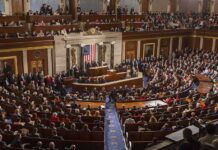
The United States Senate approved a resolution seeking to block military action against Iran without Congress’s say. While described as largely symbolic, it marked a rare bipartisan rebuke and signaled rising concern over the mission’s duration and scope. The move mirrored long-standing friction between the branches over when the president must seek approval to continue combat operations beyond initial strikes.
The United States House later voted, for a third time, to end the Iran war and halt Trump’s ability to continue hostilities without authorization. Seven Republicans joined Democrats in the 220–204 vote. Backers said the Constitution gives Congress the war power and that the operation has lasted too long without a specific mandate. The measure’s fate remains uncertain, but it underscores a serious push to reassert Article I authority.
Massie Targets Hegseth Over Alleged Violations
Representative Thomas Massie forced a vote to impeach Defense Secretary Pete Hegseth. Massie argues Hegseth engaged in hostilities for more than 90 days without congressional authorization and violated the War Powers Resolution. He says the conduct frustrated Congress’s ability to exercise its solemn duty over war. The charge aims to put legal teeth behind legislative resolutions and to draw a sharp line on the law’s time limits.
Trump did not seek authorization from Congress to go to war with Iran, bypassing the War Powers Act. 56% say he should not impose tariffs without congressional approval. 46% say he made the midterm elections more difficult. Is this “America First” or “Breaking the Law First”? https://t.co/6xIXdanaCF
— motahare (@Earsnq13) September 20, 2026
Supporters of the administration counter that the president must keep Americans safe and cannot wait on slow, partisan fights while Iran threatens U.S. forces and allies. The White House case is simple: the commander in chief has constitutional authority to act, and war powers measures should not handcuff defense. They say Congress still holds the power of the purse if it truly wants to stop an operation and can pass binding, enforceable limits.
Why This Fight Matters For Conservatives
Conservatives value a strong defense and a constitutional balance. The threat from Iran is real, and deterrence saves American lives. At the same time, many readers want clear mission goals, a realistic end state, and strict oversight to avoid endless wars. The War Powers Resolution debate is not about going soft. It is about making sure force is lawful, decisive, and tied to U.S. interests, with Congress and the president each owning their duty to the nation.
What To Watch Next
Watch for whether Congress converts symbolic measures into binding steps, such as funding limits. Track administration updates that define objectives, scope, and measures of success. Look for any new strikes or Iranian actions that could reset legal clocks or change the threat picture. Finally, watch the Massie impeachment effort’s traction; even if it fails, it pressures clearer rules for how the United States fights and finishes limited wars.
Sources:
aljazeera.com, apnews.com, reuters.com, usatoday.com
© standardheadlines.com 2026. All rights reserved.