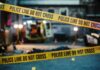


Los Angeles prosecutors say a wrong-way, drug-impaired driver will face second-degree murder for a bus crash that killed two people.
Story Snapshot
- Prosecutors charged Bailee Lynn Rios with two counts of second-degree murder tied to a deadly Metro bus crash.
- Police booked Rios for murder after identifying her as the Ford Expedition driver; bail was set at $4 million.
- Officials say Rios was speeding, impaired, ran a red light, and drove the wrong way before the crash.
- The case spotlights California’s use of “implied malice” in fatal impaired-driving prosecutions.
What Prosecutors Allege Happened in Chatsworth
Los Angeles County prosecutors charged Bailee Lynn Rios, 36, with two counts of second-degree murder after a crash in Chatsworth killed two Metro bus riders. Prosecutors say Rios drove a 2004 Ford Expedition the wrong way, sped through a red light, and was impaired by drugs when she slammed into the bus. Authorities said the violent collision killed two people and injured others on Tuesday night. The crash scene later drew heavy media coverage and first responders across the northwest San Fernando Valley.
The Los Angeles Police Department identified Rios shortly after the crash and booked her on murder under California Penal Code 187(a). Police records list her as a Simi Valley resident, with bail set at $4,000,000. Local outlets reported that Rios remained hospitalized and missed an initial court appearance, while prosecutors prepared formal filings. The District Attorney’s office said the case will proceed under a theory that her choices showed a conscious disregard for human life.
Why This Case Is Charged as Murder, Not Manslaughter
California law allows second-degree murder in fatal impaired-driving cases when actions show “implied malice.” Courts have upheld this since the 1981 case People v. Watson, often called the “Watson murder” rule. Prosecutors often point to high-risk driving, impairment, and clear warnings about the danger of impaired driving to show the driver knew the risks and ignored them. In this case, officials cite wrong-way travel, speed, a red-light run, and alleged drug use as key factors.
Appellate courts have repeated that implied malice does not require proof of a plan to kill, only that the person chose a life-endangering act despite knowing the risk. Recent decisions also stress that the danger must be concrete and severe, not vague or speculative. That line often decides whether a deadly crash is filed as manslaughter or as second-degree murder. Prosecutors say the facts here clear that bar based on the driving pattern and alleged impairment.
Public Safety Stakes and System Accountability
Families want safe streets, fair justice, and clear rules that hold up in court. This case mixes all three. Officials say the driver’s choices created a lethal chain on a busy Los Angeles corridor. Prosecutors are using tools lawmakers and judges built to punish the worst roadway crimes. People on the right and left often agree on this point: if leaders cannot keep roads safe, it feels like one more sign that the system is failing basic duties.
BAILEE LYNN RIOS CHARGED WITH MURDER IN FATAL BUS CRASH
The driver who slammed her SUV into a bus in Los Angeles Tuesday, killing two people, has been charged with murder. Prosecutors say Bailee Lynn Rios was under the influence of drugs when she swerved into the wrong lane and…
— Worldwide News Network (@WorldwideNNX) September 18, 2026
Californians also watch how the system performs after the headlines fade. That means honest charging, timely court dates, and help for victims. It also means clear communication about why a murder filing fits the law. When agencies explain the facts and the legal path, trust rises. When they do not, anger grows. This case will test whether the justice system can move fast, stay fair, and deliver a result that matches the danger described by officials.
Sources:
washingtontimes.com, nypost.com, geo.tv, laist.com
© standardheadlines.com 2026. All rights reserved.