
The U.S. government now warns Americans to avoid Libya so strongly it suggests preparing a will and even leaving a DNA sample before any trip.
Story Highlights
- The State Department rates Libya “Level 4: Do Not Travel,” its highest warning.
- Officials cite crime, terrorism, kidnapping, civil unrest, armed conflict, and landmines.
- There is no U.S. Embassy in Libya, limiting help if something goes wrong.
- Security alerts say risks remain severe across the country.
State Department Issues Maximum Travel Warning
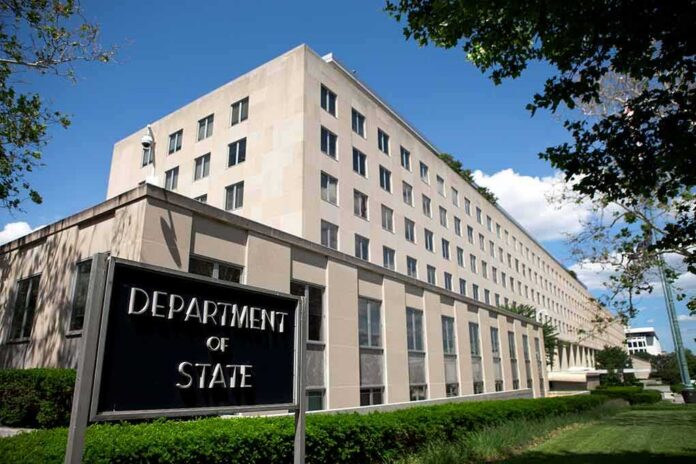
The U.S. Department of State lists Libya at Level 4, which means “Do Not Travel.” Officials say Americans should not go for any reason. The advisory cites crime, terrorism, unexploded landmines, civil unrest, kidnapping, and armed conflict. This is the strongest warning the government can give. It means the risk is high and support is limited if trouble occurs. The notice tells travelers to rethink any plans and to prepare for worst-case outcomes if they still choose to go.
Travel advisories are blunt when the United States cannot keep people safe or reach them fast. The Libya notice fits that pattern. It flags many threat types at once, which suggests danger is not limited to one city or one road. The guidance also reflects a judgment that conditions can change fast. When that happens, governments tell people to stay out. That is the case here, and it has stayed that way for some time.
No Embassy and Limited Help If Crisis Strikes
The State Department says there is no U.S. Embassy in Libya. That means there is no normal consular help on the ground. Questions go to a Libya office in Tunis, not to a post inside Libya. In a crisis, that gap matters. Evacuations, emergency passports, and hospital support are harder without a local team. The agency also posts a worldwide caution. It asks Americans to keep their guard up when traveling abroad.
The U.S. Embassy Libya security alert repeats that the Level 4 warning remains in effect. It points to the same drivers: crime, terrorism, landmines, civil unrest, kidnapping, and conflict. The message is steady and direct. It does not promise safer pockets or special routes. It does not say travel is safe with the right fixer or convoy. It says do not go. For Americans used to steady services abroad, that is a jarring but clear line.
What “Prepare a Will and DNA Sample” Really Signals
Media coverage highlighted severe planning steps the government urges for the most dangerous trips worldwide, including making a will and leaving a DNA sample. That framing appeared in reports discussing Libya’s update, which underscores how serious the State Department views the risks. The point is not fear for fear’s sake. It is to have plans in place if the worst happens in a place where rescue may be slow or impossible. Libya now sits firmly in that category.
"Do not travel to Libya for any reason."
Americans planning a trip to Libya are being urged to reconsider those plans, as the U.S. State Department issues its strongest possible travel warning.
The Level 4 advisory cites widespread kidnapping, terrorism, landmines and other… pic.twitter.com/OlquUTJLJZ
— Fox News (@FoxNews) September 5, 2026
The risk list explains why. Crime can turn a street corner deadly. Terror groups still plot attacks. Kidnappers target Westerners for ransom. Armed groups fight for power. Landmines and other unexploded munitions can sit in fields, roads, and even homes. When so many threats overlap, the chance of a quick fix is low. That is why the United States sets a bright red line. It is not about politics. It is about the math of risk and rescue.
Why This Matters to Families and Businesses
Families with loved ones in Libya face hard choices. Quick trips to visit relatives or to check on property carry heavy risk. Companies looking at oil, shipping, or aid work must weigh duty of care and insurance limits. Some policies will not cover travel under a Level 4 warning. If something goes wrong, costs and delays can soar. The lesson is simple. If you do not have to be there, do not go. If you must go, prepare for the worst and tell someone everything.
A Rare Point of Agreement: Keep People Safe
Americans on the right and left often argue about foreign policy. But most agree the first job of the government is to protect its people. The Libya advisory speaks to that. It is stark, maybe even alarming. Yet it treats citizens like adults. It lays out the dangers and the limits of help. In a time when many believe the system serves elites first, plain warnings like this cut through. They tell the truth and let people choose, eyes open.
Sources:
thegatewaypundit.com, travel.state.gov, foxnews.com, ly.usembassy.gov
© standardheadlines.com 2026. All rights reserved.