
American forces have struck back hard at Iran after an Army Apache helicopter went down near the Strait of Hormuz, opening a new front in a conflict that now threatens energy prices, U.S. troops, and global shipping lanes.
Story Snapshot
- The United States launched “self-defense” strikes on Iranian military sites after an Apache helicopter was downed near the Strait of Hormuz.
- U.S. Central Command says Iranian aggression and ship attacks forced a proportional response to protect American forces and commercial vessels.
- Iran denies shooting down the helicopter, calls the U.S. actions unjustified, and has answered with missile strikes on American bases.
- Confusion over the crash details is fueling media doubt, even as Iran escalates and global energy flows come under renewed threat.
U.S. Strikes Hit Iranian Military Infrastructure After Apache Downed
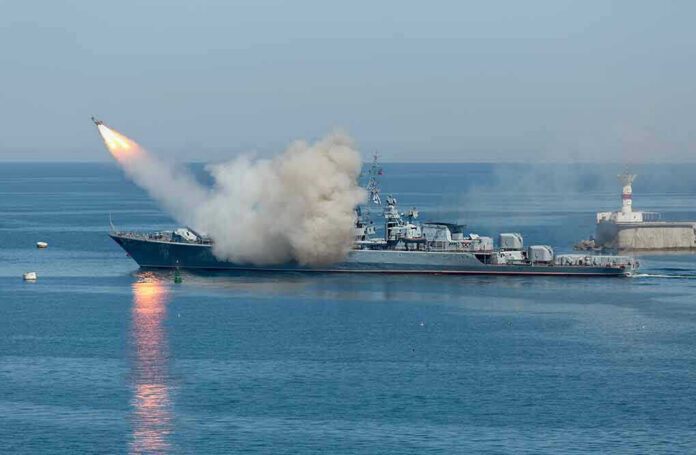
The United States military has launched a series of strikes on Iranian targets after a U.S. Army Apache helicopter went down near the Strait of Hormuz. U.S. Central Command said the operation was a self-defense mission and a “proportional response” to Iranian hostility. Officials reported that Air Force and Navy jets hit air defense systems, radar sites, and ground control stations close to this key waterway. These strikes followed days of rising tension over attacks on three commercial ships moving through the strait.
President Donald Trump authorized the strikes and directly blamed Iran for the helicopter’s downing. He stated that Iranian forces shot down the aircraft and that the United States “must respond” to protect its troops and shipping. Central Command echoed that line, saying the action answered recent assaults on both U.S. personnel and international vessels. For many Americans, this looks like classic deterrence: when Iran targets U.S. hardware in a vital chokepoint, it gets hit back, and hard.
Rescued Crew, Iranian Denials, and an Information Fog
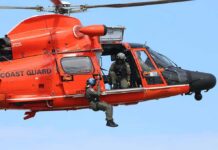
Both crew members aboard the Apache survived and were rescued from the water by a drone-operated vessel, in what officials called a first-of-its-kind recovery. President Trump confirmed the soldiers were safe and unhurt, underlining that this was an attack on equipment, not a mass-casualty event. Yet U.S. officials admit they have not publicly released forensic proof showing exactly how the helicopter was brought down, and some initial reports still mention possible mechanical failure.
Iran, meantime, is pushing a very different story. Tehran’s deputy foreign minister told Al Jazeera that Iran was not behind the incident and did not deliberately target the helicopter. He suggested that, in such a tense area, accidents can happen without a clear act of intent. Iran’s foreign minister also blasted the U.S. narrative online, pointing out that the Strait of Hormuz lies thousands of miles from American shores and framing Washington’s actions as distant interference. These firm denials aim to paint the U.S. strikes as unjustified aggression rather than lawful self-defense.
Missile Retaliation, Energy Risks, and a Familiar Pattern
Iran has already answered the U.S. operation with its own escalation, firing missiles at American targets across the region. Reports say Iranian forces hit or attempted to hit U.S. bases in countries such as Jordan and Bahrain, triggering air raid sirens and forcing personnel into shelters. Iran’s foreign minister warned that “no attack or threat would go unanswered,” signaling that Tehran intends to respond to each U.S. move, even as a fragile ceasefire framework technically remains on paper.
👉 John Solomon just broke:
The United States has revoked the license authorizing the sale of Iranian oil.This lands as direct economic escalation on top of the CENTCOM strikes against Iran for attacking commercial shipping in the Strait of Hormuz and the reported Iranian… https://t.co/g0oTWVW9tV
— LatieJones ✨🤍✨ (@latiejones1111) July 7, 2026
This clash fits a long pattern in the Strait of Hormuz, where most U.S.–Iran incidents begin with disputed first strikes and limited public evidence. Analysts note that since the late 1980s, a majority of confrontations in these waters start with one side claiming self-defense while the other cries foul. Behind the headlines are bigger stakes for everyday Americans: the strait carries about one-fifth of the world’s traded oil, so each missile, drone, or strike risks higher energy costs, fresh pressure on family budgets, and yet another test of America’s resolve against a hostile regime.
Sources:
cbsnews.com, youtube.com, npr.org, bbc.com, pbs.org, aljazeera.com, facebook.com, scrippsnews.com, instagram.com, csis.org
© standardheadlines.com 2026. All rights reserved.