

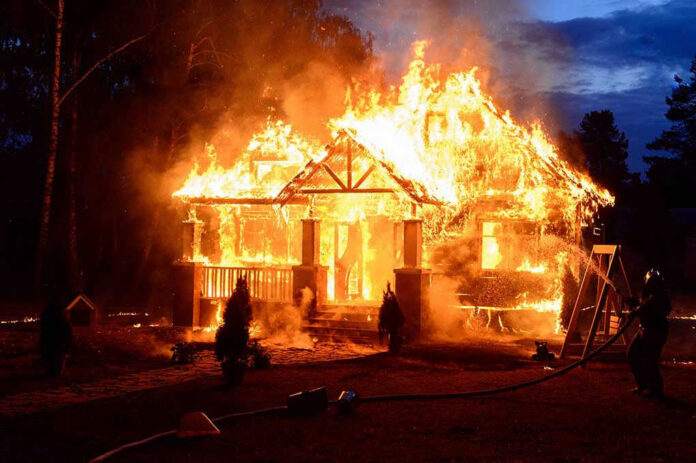
Three federal wildland firefighters died as wind-driven Colorado fires forced thousands to flee, and state leaders rushed in the National Guard to help contain a fast-moving disaster.
Story Highlights
- Nine active fires have burned more than 84,000 acres across Colorado, with low containment on the largest incidents.
- The Aspen Acres Fire surged past 23,000 acres in hours, triggering mandatory evacuations for about 4,000 residents.
- Three federal firefighters died in a burnover on the Snyder Fire near the Utah border; two others were hurt.
- Governor Jared Polis declared a disaster emergency and activated the National Guard as smoke degraded Front Range air.
Scope and Pace of the Wildfires
Local officials reported nine active wildfires burning more than 84,000 acres in Colorado by June 30, showing rapid spread and low containment across multiple regions. Reporters on the ground described fast fire growth, steep terrain, and shifting winds that complicated line building. Emergency crews prioritized life safety as flames moved toward neighborhoods. Public maps and briefings highlighted new starts and merging fire fronts. Agencies warned that hot, dry, windy weather would keep danger high into the holiday week.
Newsrooms detailed specific fire behavior on the largest incidents, pointing to long flame runs and spot fires that jumped control lines. The Snyder Fire near the Utah border grew quickly and crossed county lines. The Aspen Acres Fire expanded from a few thousand acres to over 23,000 in less than a day, which pushed evacuation orders for nearby towns. Crews focused on structure protection when winds grounded aircraft. Officials urged residents to leave early and keep routes clear for engines.
Lives Lost and Emergency Declarations
State leaders confirmed three federal wildland firefighters died and two were injured during a burnover on the Snyder Fire, a sobering reminder of the risks crews face on the line. Authorities said fire shelters were deployed but conditions overwhelmed the team. Governor Jared Polis declared a disaster emergency and activated the Colorado National Guard to support evacuations, traffic control, air operations when possible, and logistics for strike teams. Agencies coordinated across counties to pool engines and hotshot crews as resources tightened.
Reporters noted mandatory evacuations for communities near the Aspen Acres Fire, including neighborhoods in Custer County, as flames reached residential edges. Officials warned that more than 2,000 structures stood in the projected path, with at least four homes confirmed destroyed in early assessments. Shelters opened for families and pets. Law enforcement staffed roadblocks to prevent reentry. Public smoke advisories reached the Front Range, where air quality levels became unhealthy for sensitive groups as plumes pushed east.
Why the Fires Grew So Fast
Weather and fuels set the stage for explosive growth. The National Weather Service issued Red Flag Warnings for hot temperatures, very low humidity, and strong southwest winds. Dead and dry vegetation carried embers into new areas, while steep slopes funneled heat uphill. Fire bosses explained that containment stayed low early because crews must first protect lives and homes, scout safe anchor points, and wait for a window to cut and hold lines. Those steps take time under shifting winds and active spotting.
Colorado wildfires destroy more than 100 structures, force more evacuations https://t.co/lCsanuWnQA pic.twitter.com/OMqDPuKLcO
— Canon City DR (@ccdr) July 1, 2026
These fires fit a longer trend. Colorado has seen more frequent and larger wildfires over recent decades, with a growing share of damage coming from a few severe events. Researchers at Colorado State University reported that extreme fires now drive most acreage and loss statewide. That pattern makes early evacuation and home hardening more important each season. It also strains state and federal budgets as agencies add aircraft, crews, and recovery funds year after year.
What Residents Can Do Right Now
Emergency managers urged residents in watch zones to prepare a go-bag, charge phones, and sign up for local alerts. People in evacuation areas should leave right away, use the posted routes, and avoid blocked roads so engines and ambulances can pass. Families with animals should follow county intake instructions and keep carriers ready. After returning, homeowners should document damage for insurers and local aid, and check attics and yards for hidden embers that can rekindle hours later.
Accountability and Open Questions
Officials have not released the names or agencies of the fallen firefighters, pending family notifications and investigations. Investigators have not confirmed causes for several fires, which could take weeks to determine. Acreage and containment numbers may shift as mapping improves. Those gaps are normal in the first days of a fast-moving incident, yet they frustrate families and evacuees who want clear answers now. Agencies promised regular updates as more verified information becomes available.
Sources:
en.wikipedia.org, facebook.com, wildfirepartners.org, instagram.com, co-pub.coloradoforestatlas.org, hazards.colorado.edu
© standardheadlines.com 2026. All rights reserved.