
A man survived eight days buried under a Venezuelan mall because strangers from seven countries refused to let him die.
Story Snapshot
- Hernán Alberto Gil Flores, a 43-year-old security guard, was trapped under a collapsed mall basement for eight days.
- Rescue teams from several nations kept him alive by talking to him and sending water and nutrients through a narrow shaft.
- Chilean firefighters led a complex, risky operation with teams from the United States, Mexico, Costa Rica, El Salvador, Portugal, and Venezuela.
- The “miracle rescue” story now collides with hard questions about why the building failed and why help took so long.
The collapse that buried a father of two
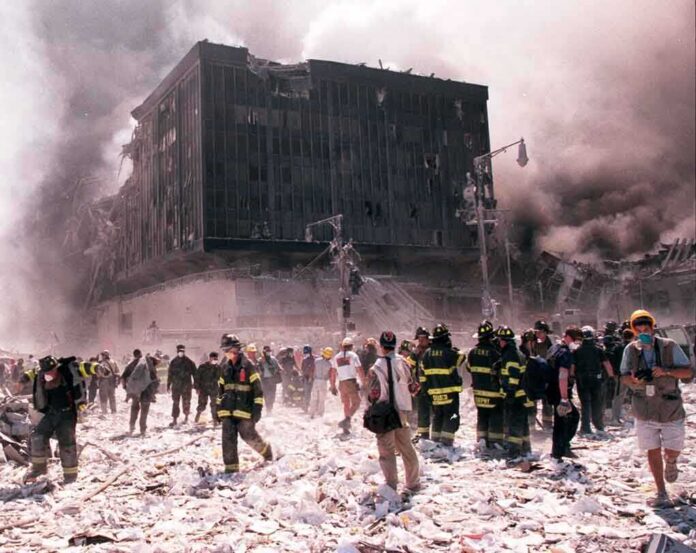
On June 24, twin earthquakes measuring around 7.2 and 7.5 rocked Venezuela and tore into the Galerías Playa Grande shopping center in La Guaira. In the basement sat a small security cabin where Hernán, a night-shift guard and father of two, was doing his job when the first violent tremor hit. The basement partially collapsed, crushing cars, concrete, and steel together. Hernán disappeared under seven levels of debris, with no clear path in or out. The scene became a symbol of the wider disaster: lives buried under failed concrete and failed systems.
The building did not just crack; it folded into itself in ways engineers call “complex collapse,” the kind that makes every step dangerous. Local neighbors began clawing at the rubble with bare hands, but the structure shifted and aftershocks kept coming. Social media filled with pleas for help and anger at the slow official response. While families camped outside in vigil, the basement of a mall turned into a test of whether the country’s disaster system was built for real pressure—or only for press releases.
How rescuers reached a living hand in the dark
An international rescue wave formed faster than the local bureaucracy moved. The Mexican Red Cross, Costa Rican Red Cross, Colombian teams, and Venezuelan rescuers converged on the mall, later joined by Chilean firefighters and specialized units from the United States, Portugal, El Salvador, and others. A Costa Rican Red Cross team first picked up signs of life and established direct contact with Hernán inside the collapsed parking area. From that moment, the mission narrowed: keep him alive and carve a safe tunnel before the building killed him or the rescuers.
Teams drilled a narrow shaft down to his position and slid in a hose and small lines, sending water and liquid nutrients to keep him hydrated and responsive during the most dangerous phase. Urban search crews used a telescopic camera to watch his hand and confirm he was still responding. El Salvador’s president publicly announced his teams had “managed to reach” Hernán and establish contact, turning one man’s struggle into a national and regional story. The rescue became a race between time, physics, and politics, unfolding in front of a watching world.
The 100‑hour tunnel through fear and instability
Rescuers worked more than 100 hours in that one spot, fighting rain, aftershocks, and the constant fear that one wrong cut would bring the rest of the mall down on them. Reports from the site describe more than a dozen approach maneuvers as teams tried different routes through wrecked beams and slabs. Salvadoran crews said they spent at least 28 hours focused on freeing Hernán while keeping him hydrated and talking to him so he would not mentally crash. Some videos show rescuers being evacuated when the structure groaned and shifted, forcing them to rethink the plan mid-operation.
Seven countries effectively worked as one, as one Instagram post put it, turning radios, cameras, and hoses into a lifeline for a single man. For many conservative observers, the scene was a reminder that competence, discipline, and courage matter more than slogans. The foreign teams did not arrive to lecture Venezuela; they arrived to do the hard, dangerous work that saves lives when local systems fail. That contrast between real skill and political theater is impossible to ignore.
From “miracle rescue” to questions about blame and responsibility
Early Thursday, rescuers finally pulled Hernán out, covered in dust, strapped to a stretcher, surrounded by helmets and floodlights. International outlets quickly framed it as a “miracle” cutting through a week of tragedy. The miracle label fits the human story: eight days under rubble beats the usual 48–72 hour window for survival in such disasters. But that same framing can let people in power dodge tougher questions. Concrete does not fall by miracle; it falls because of design choices, enforcement failures, and corruption.
For many citizens, this was not just a story of hope; it was proof that their own institutions are weaker than they deserve. International teams and even foreign heads of state provided the clearest, fastest confirmation of Hernán’s survival, while Venezuelan authorities stayed quiet or vague. That gap lines up with a common pattern in Latin America, where foreign logs and media often carry the hard evidence of survival while domestic paperwork arrives late, if at all. People who live under these systems know what that means: when the ground moves, they trust neighbors and foreigners more than their own government.
What this rescue says about courage, sovereignty, and common sense
Some voices inside Venezuela worry that heavy foreign involvement makes the country look weak or undermines sovereignty. That argument misses the core moral point. Sovereignty without competence leaves citizens alone under the rubble. A nation that truly respects its people welcomes any honest help, then demands accountability for why its own buildings failed and its own system stumbled. The right question is not “did foreigners embarrass us?” but “who allowed a mall to become a mass grave?”
Hernán’s survival shows what happens when real adults take responsibility. Rescuers did not waste time on excuses or ideology. They brought cameras, hoses, drills, and expertise. They kept one man alive for days longer than science says is likely. Then they pulled him out and handed him back to his family, giving a mourning nation one clear win. If that spirit spreads beyond the rubble—into building codes, honest audits, and serious disaster planning—then this miracle rescue might become more than a headline. It might become the turning point where common sense finally outruns neglect.
Sources:
youtube.com, unotv.com, teletica.com, telecinco.es, facebook.com, instagram.com, 10news.com, wsls.com, upi.com, abc.net.au, publimetro.com.mx
© standardheadlines.com 2026. All rights reserved.