
Iranian workers say they were ordered to fill streets for Ali Khamenei’s delayed funeral, even as officials touted a crowd of millions and global delegations.
Story Highlights
- Reports describe pressure on public workers, businesses, and charities to attend ceremonies
- Officials project tens of millions of mourners and wide international participation
- The funeral was delayed 131 days due to security concerns amid regional tensions
- Lack of verified data on non-attendance leaves the scale of refusal unclear
What Iranians Reported About Forced Attendance
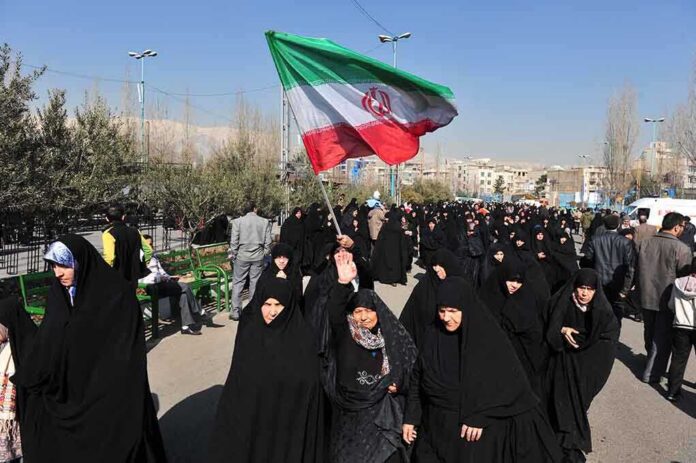
Iran International reported dozens of messages from Iranians who said authorities pushed workers, businesses, and charities to attend Ali Khamenei’s funeral events. Some messages described public workers ordered to show up, with leave canceled across municipal offices. One note cited an audio message said to be from a Tehran district human resources official instructing all staff, including parents and those with health issues, to attend. Others said charities and restaurants faced threats if they refused to help.
These accounts, if accurate, suggest a wide campaign to stage large crowds. They match past moments when the government needed a show of unity after crisis. The reports include pressure on state-linked media and a major automaker to supply staff or support logistics. While these details paint a clear picture of coercion, the messages are anonymous. There are no named depositions or court records in public view to verify each claim.
Official Expectations Of Massive Crowds
State-linked outlets and officials framed the funeral as a national moment with historic turnout. NBC News reported authorities expected a crowd in the millions and spoke of a “funeral of the century.” Tehran’s mayor and other outlets projected up to 20 million attendees across events, aiming to show national unity and resolve. Officials also highlighted participation by foreign delegations from many countries, seeking to validate the event’s global weight.
Local and international coverage emphasized that the funeral unfolded under unusual strain. Tensions remained high across the region, and a fragile arrangement with the United States formed the backdrop. These factors prompted tighter security and sweeping logistics. The delay of the funeral for more than four months underscored concerns about mass gatherings and the risk of attacks. That timing shaped both crowd management and the state’s desire for a strong image.
Why The Funeral Was Delayed 131 Days
Times Now World explained that officials delayed the funeral for 131 days due to wartime conditions and security fears linked to large crowds. The long pause points to real risks around public ceremonies during conflict. Such a delay is rare for a leader of this rank. It also raises the stakes for the state, which wanted to avoid violence while still projecting control, order, and popular support when the ceremonies finally took place.
More than 100 countries are sending official delegations to Tehran for the state funeral of Iran's late Supreme Leader Ayatollah Ali Khamenei. High-level regional and global representatives include Pakistan's Prime Minister Shehbaz Sharif, China’s National People's Congress Vice…
— Rubab (@rubabbx) July 3, 2026
NBC News added that the regional context remained far from normal. Security forces faced a hard task: moving huge numbers through city routes, closing airspace at times, and managing traffic. Officials worked to keep crowds safe and televised a steady image of national mourning. These steps aimed to mute doubts about stability and turnout while navigating the real dangers that come with mass events under threat.
What We Know And What We Do Not
Evidence of pressure appears in many messages gathered by Iran International, covering public employees, charities, and businesses. But the reporting lacks named sources under oath. There is no independent audit of orders to attend or the scale of any refusal. On the other side, officials offered large attendance projections and visuals of packed streets, but those are not hard counts. No neutral crowd estimate has been published to test either side’s claims.
This gap matters for readers across the political spectrum. People who distrust state power see reports of coercion as proof of the elite stage-managing public life. People who distrust media see anonymous claims as weak without on-the-record proof. Both concerns can be true at once: states often shape big events, and journalists often face real barriers to verify inside a closed system. That is why independent audits and named testimony would help settle the basics.
Why This Story Resonates Beyond Iran
Large state funerals turn into tests of legitimacy. Leaders seek images of unity when the country is under stress. Citizens weigh risk, cost, and belief. In Iran’s case, a long delay, active security concerns, and reports of pressure create a familiar pattern: the state tries to display strength while many people feel managed rather than heard. That tension fuels cynicism at home and abroad, where viewers doubt both official claims and anonymous leaks.
For Americans frustrated with government spin, this episode rings familiar. Big promises, big images, and little accountability leave people cold. The lesson is simple: demand verifiable facts. That means satellite crowd checks, on-the-record workers, and documentation of orders. Until then, separate what is confirmed from what is claimed. The facts we have show alleged pressure, large official projections, and a months-long delay tied to real security risks. The rest remains unproven.
Sources:
insiderpaper.com, iranintl.com, nbcnews.com
© standardheadlines.com 2026. All rights reserved.