
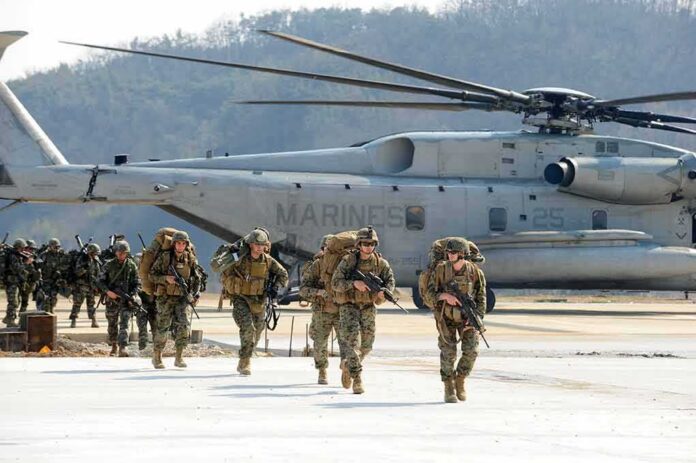
U.S. Central Command completed the departure of American forces and equipment from Erbil Air Base, formally ending the 12-year Operation Inherent Resolve mission in Iraq.
Story Highlights
- CENTCOM ended the Iraq mission by withdrawing from Erbil Air Base.
- Pentagon says the role now shifts to an Iraqi-led security effort with normal bilateral ties.
- Coalition headquarters moved to Jordan as counter-ISIS support continues outside Iraq.
- The 2021 shift from combat to advising set the path to this final exit.
What Changed On The Ground In Iraq
U.S. Central Command stated it completed an orderly departure of U.S. forces and gear from Erbil Air Base. Officials said this marked the formal end of Operation Inherent Resolve in Iraq after 12 years of coalition activity. The Defense Department’s public framing stressed that Iraq now leads on its own soil. American support will continue through a standard, country-to-country security relationship rather than a war mission. The move closes a long chapter that began with the ISIS surge.
The Pentagon underscored that this is not a pause or half-step. It is the bookend to the Iraq-based coalition mission. Leaders pointed to years of joint work that beat back ISIS holdouts and built up Iraqi units. U.S. officials described the change as moving from a wartime coalition posture to normal security ties with Baghdad, with training and coordination as needed under a sovereign Iraqi lead. This puts decisions about local security where they belong — with Iraq.
How We Got Here: From Combat To Advisory To Exit
The road to this moment began years ago. In 2021, the United States and Iraq agreed to end the combat role by year’s end. Commanders said remaining U.S. troops would shift to advising, assisting, and enabling Iraqi forces. Reports at the time noted about 2,500 U.S. personnel in Iraq, already focused on training and support, not direct combat. That approach set the stage for a managed drawdown and today’s formal conclusion of the Iraq-based mission.
Media coverage this week also noted a key structural change. The coalition’s command for counter-ISIS activity is now headquartered in Jordan, not Iraq. That reflects a regional design. American and partner support to counter ISIS will continue where needed outside Iraqi territory. This means U.S. troops are not running missions from Iraq, while Iraqi security forces carry the lead inside their country. The distinction matters for sovereignty and for clear lines of responsibility.
What The Transition Means For U.S. Interests And Allies
This transition aligns with a conservative focus on mission clarity, limited government abroad, and strong but targeted defense. The United States helped defeat ISIS’s territorial control in Iraq and built up local forces. Now Iraq owns day-to-day security, and America keeps a normal, bilateral security tie. That reduces open-ended deployments and lowers risk to U.S. troops while preserving the option to work with partners against terror threats that can reach our shores.
One practical caveat remains. News outlets rely on official statements for the final numbers and timelines, and the research here does not include a public troop manifest. Still, the central facts are consistent across named outlets and Pentagon briefings: the exit from Erbil is complete, the coalition mission inside Iraq has ended, and the headquarters now sits in Jordan. The 2021 agreement to move from combat to advising explains the steady steps that led to this result.
Sources:
military.com, cbsnews.com, foxnews.com, townhall.com
© standardheadlines.com 2026. All rights reserved.