

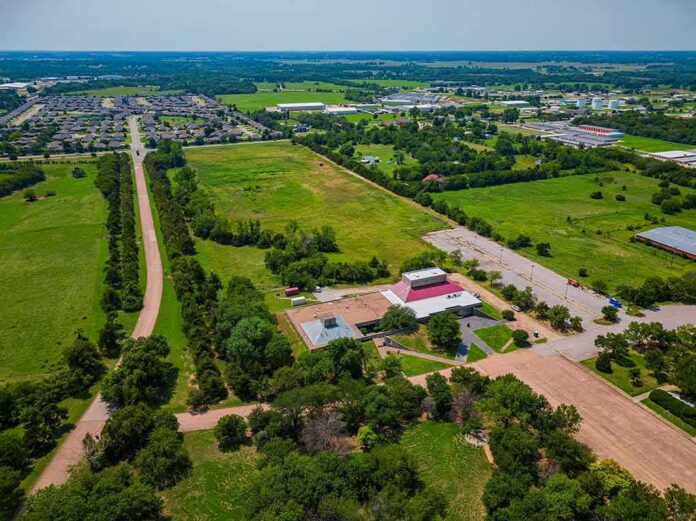
Residents in a Pennsylvania township are turning down promised $10,000 checks because they do not trust a developer’s contingent offer tied to a massive artificial intelligence data center.
Story Snapshot
- NorthPoint pitched a $165 million community package, including $10,000 per eligible household, if its data center is approved.
- Many residents reject the offer, citing noise, property values, water, and transparency concerns.
- The $10,000 would be paid only after the first building receives a certificate of occupancy, likely in 2027.
- Township leaders have resisted the project through zoning actions and a temporary pause on data center applications.
What NorthPoint Put on the Table
NorthPoint Development proposed a $165 million community benefits package for Project Hazelnut in Hazle Township. The plan includes a $45 million resident grant fund that would send $10,000 to each eligible household, plus $15 million for local groups and training programs. The company also pledged $105 million over 15 years to support township services like a local police department and lower trash fees. NorthPoint’s materials frame the package as support for families who will live near the data center.
NorthPoint tied the $10,000 checks to project approval and construction milestones. The company said payments would come only after a certificate of occupancy is issued for the first building, which it suggested could happen in late 2027. Local reporting confirmed households received a signed letter from the company’s chief executive officer that promoted the $165 million offer, including the $10,000 grants. The company did not publish a detailed formula for who is eligible or how disputes would be handled.
Why Many Residents Are Saying No
Residents have pushed back for months. They warn that $10,000 would not cover a possible drop in property values near the site. They also fear round-the-clock humming from cooling systems, more traffic and lights, and higher demand for water and power. Several outlets reported these concerns based on public meetings, court filings, and interviews with named locals who live near the proposed campus. Many critics describe the checks as a “bribe,” not a fair trade.
Opposition is not just about the money. People also question the company’s promises and want more transparency from township officials. Reports say residents want hard data on energy use, noise levels, and long-term costs to local services. Some have noted that the offer lacks a binding, enforceable benefits contract on the public record. The delayed payout—years after any zoning approval—adds to the distrust and makes the check feel uncertain.
Where Local Government Stands Now
Township supervisors have already rejected the data center on zoning grounds and set a temporary moratorium on data center applications, according to regional reporting. Those steps show strong institutional resistance that the benefits package has not overcome. The regulatory process appears to be the main barrier, not a bidding war over household checks. That means the future of Project Hazelnut likely hinges on land-use law and court outcomes, not mailers or marketing.
Pennsylvania resident Debbie Jennings to fellow Pennsylvanians: The approval of a data center in Hazle Township will undoubtedly grow the economic pie for everyone, and it’s time to come to the table and enjoy the free dessert.https://t.co/P27GQstyPl
— National Taxpayers Union (@NTU) September 28, 2026
Even if the company revised the offer, timing matters. Because the checks would arrive only after the first building is occupied, residents would carry the risk if the project stalls or changes. That structure reduces the persuasive value of the package during the permit stage. It also sharpens a wider concern that big projects promise benefits up front, but communities bear costs that arrive sooner and last longer.
How This Fits a National Pattern
This fight reflects a national trend: large data centers are hard to site because neighbors worry about noise, views, water use, power demand, and property values. To win approval, developers often pitch community benefit agreements. Experts say these deals only build trust when they are legally binding, measurable, and enforced by third parties. Clear rules on eligibility, payment timing, and dispute resolution are key to public support.
Analysts at Brookings describe rising local resistance as a top limit on new data centers. They recommend public-facing fiscal studies, transparent power plans, and independent monitoring. Communities want to see exactly what they gain, how it will be paid, and what happens if promises are missed. Without that, even large offers can look like marketing, not a guarantee. The Pennsylvania case fits that profile cleanly.
Why This Story Resonates Across Politics
People on the right and left see a common problem here. Many believe powerful players make big promises while locals carry the risks. Residents ask simple questions: Who pays the electric bill if rates rise? Who fixes the road when truck traffic grows? Who makes sure the money shows up on time? When officials and companies cannot answer in plain, binding terms, communities push back—check or no check.
The lesson is practical, not partisan. If NorthPoint or any developer wants consent, it must put benefits in a signed, enforceable agreement with clear numbers and deadlines. It must publish impact studies that address noise, water, power, traffic, and property values in detail. And it must share how the township will track the money. Without that, residents will keep saying no—even to $10,000 checks—because trust, not cash, decides projects like this.
Sources:
townhall.com, projecthazelnut.com, techspot.com, msn.com, en.sedaily.com, yahoo.com, fox56.com, datacenterwatch.substack.com, tomshardware.com, tradingview.com
© standardheadlines.com 2026. All rights reserved.