

In a world where truth often hangs by a thread, the humble dashcam is emerging as an unsung hero.
Story Snapshot
- The importance of dashcams in providing objective evidence in disputes.
- How the *Parks and Recreation* episode “Bus Tour” highlights real-world issues of evidence and insurance fraud.
- The rising trend of insurance fraud and staged accidents in the U.S.
- The societal shift towards low-trust environments and the need for verifiable proof.
The Case for Dashcams
Dashcams have become indispensable in today’s world, where the line between truth and fiction often blurs. These small devices offer an unbiased account of events, particularly in traffic incidents, where eyewitness testimonies can be unreliable or biased. The *Parks and Recreation* episode “Bus Tour” cleverly satirizes the importance of evidence with a staged car accident, underscoring the need for dashcams. Such devices can prevent false claims and ensure justice in disputes.
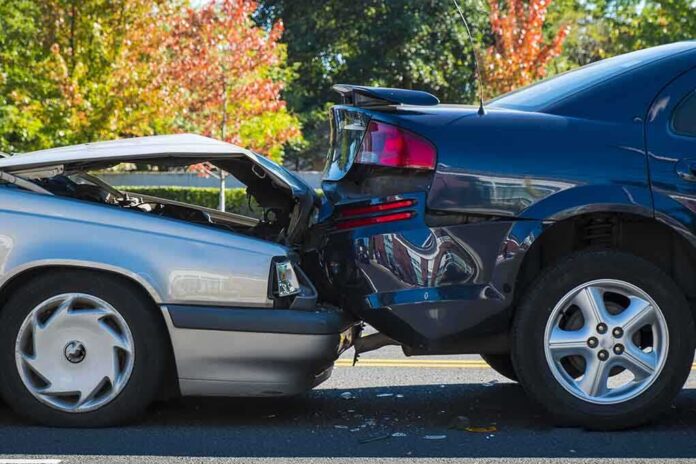
Dashcams are not just for dispute resolution; they are also a deterrent against fraudulent activities. The U.S. has seen a spike in insurance fraud cases, with staged accidents becoming alarmingly common. This is where dashcams come into play, capturing every moment and offering concrete proof that can protect innocent parties from being wrongfully accused or financially exploited. The presence of a dashcam can change the narrative entirely, making it a crucial investment for any vehicle owner.
Real-World Reflections
The *Parks and Recreation* episode is a microcosm of a much larger issue. The fictional scenario mirrors real-world tactics where truth is manipulated for personal gain. In the absence of objective evidence, such as dashcam footage, the truth becomes a casualty, and justice is compromised. This reflects a broader societal concern where trust is eroded, and individuals increasingly rely on technology to validate their experiences.
As dashcams gain popularity, they also prompt discussions about privacy and surveillance. While they provide undeniable benefits in terms of security and evidence, they also raise questions about the extent of surveillance in our daily lives. The balance between security and privacy is delicate, and as dashcam usage becomes widespread, this debate is likely to intensify.
Industry and Market Impact
The growing demand for dashcams has led to a boom in the market, with a plethora of options available to consumers. From basic models to advanced systems with features like GPS tracking and night vision, the dashcam industry is thriving. This trend is not just limited to individual consumers; fleet operators and businesses are also investing heavily in dashcams to safeguard their assets and reduce liability.
The impact of dashcams extends beyond financial savings. By providing indisputable evidence, they can streamline insurance claims, reduce fraud, and ultimately lead to lower insurance premiums. Moreover, as more incidents are caught on camera, there’s potential for improved road safety as drivers become more conscious of their behavior, knowing they are being recorded.
Future Considerations
As dashcam technology evolves, so too will the legal landscape. Courts are increasingly accepting dashcam footage as credible evidence, but this varies by jurisdiction. Legal experts are debating the implications of this shift, particularly concerning privacy rights and the potential for misuse. Policymakers will need to address these concerns to ensure that the benefits of dashcams are maximized while protecting individual freedoms.
The societal shift towards a “proof culture,” where technology is used to validate individual experiences, is undeniable. This trend reflects a growing need for accountability and transparency in our interactions. As technology continues to shape our world, the dashcam stands out as a powerful tool for truth, offering clarity in a world where deception often reigns.