

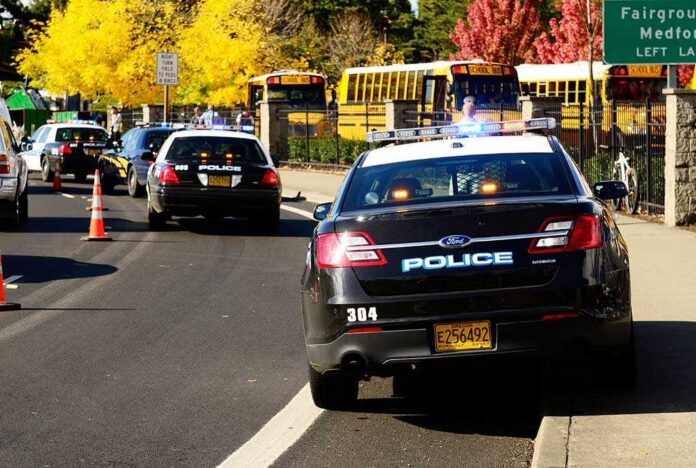
Days before school starts, a man accused of threatening mass shootings at five Charlotte schools walked free on bond as parents brace for the first bell.
Story Snapshot
- Court records show Drew Andres Owens posted bond and was released just days before classes.
- Prosecutors earlier sought higher bond; a judge once raised it to $200,000 before later reductions.
- Parents say release timing heightens fear; the district already apologized for slow threat alerts.
- Pretrial release aims to protect due process while using conditions like monitoring and stay-away orders.
What Happened and When
Local outlets reported that Drew Andres Owens, 33, left the Mecklenburg County Jail days before students returned to Charlotte-Mecklenburg Schools. Reports said he posted bond after earlier court actions changed the amount, with one outlet listing a Friday posting of $60,000 and release over the weekend. Another outlet confirmed a Saturday morning release time. Owens has pleaded not guilty, and the case is still pending. Pretrial release does not decide guilt or innocence.
Coverage traced months of bond changes. In 2025, a judge raised bond from $10,000 to $200,000 after an emergency motion from prosecutors. In 2026, a former judge interviewed on air explained how reductions can occur and said bond is to ensure court appearance, not to punish. One station reported a May reduction to $75,000; another cited a later figure of $60,000 tied to the final posting. These details reflect routine but confusing shifts.
Why Parents Are Alarmed
Parents told reporters they are nervous sending kids back right after the release, asking if he might show up at a school. That fear followed a rough year for trust. The district had already apologized for slow notifications after the original threats, which deepened community worry. Parents said they also feared not knowing when release would occur. Anxiety rose even as outlets noted stay-away orders and electronic monitoring conditions are in place.
Several reports outlined the alleged threats to five campuses in 2025, including messages sent to school leaders. One outlet said court records described violent threats and disturbing racial remarks in emails and a letter. Another report said he claimed in messages to have obtained weapons through the dark web. These claims are part of the charges, not proven facts, and Owens denies them. The allegations, the timing, and school reopenings combined to stoke broad alarm.
How the System Weighs Risk and Rights
Judges must balance safety and due process in pretrial decisions. National standards say courts aim to protect the community and ensure the accused appears in court, while respecting that people are innocent until proven guilty. Research on pretrial release shows decisions often hinge on legal history and tailored conditions. Common tools include electronic monitoring and strict stay-away zones, especially in school-related cases. These guardrails try to lower risk without jailing people before trial.
This case shows a larger gap between procedure and public trust. The law treated bond shifts and monitoring as normal steps. Families saw a man tied to school threats step out as buses rolled. Both reactions are real. Clearer, faster parent alerts during threats and at key case moments could close that gap. Lawmakers and courts can also review if current bond ranges and release conditions fit school-threat cases, while guarding core rights the Constitution demands.
Sources:
© standardheadlines.com 2026. All rights reserved.