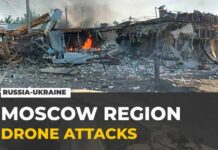

Vladimir Putin warned that Ukraine “opened Pandora’s box” with strikes on Russian economic targets and vowed to hit back at Ukraine’s most “sensitive” sectors, signaling a new phase of the war.
Story Snapshot
- Putin blamed Ukraine for escalating the war by striking Russian economic sites.
- Ukraine says it targets facilities that fund or supply Russia’s war machine.
- Recent Ukrainian drones hit multiple Russian oil refineries, causing shutdowns and fires.
- Both sides see energy and logistics as leverage far from the front lines.
Putin’s Warning And The Stated Trigger
On August 22, President Vladimir Putin said Ukraine had “opened Pandora’s box” by striking Russian economic targets. He said Russia would respond against Ukraine’s most sensitive economic sectors. His message followed weeks of reported drone hits on Russian refineries, depots, and warehouses. The timing suggests Moscow aims to deter further strikes on its rear areas while justifying broader retaliation. The comments set clear stakes for both countries and for global energy markets.
Reuters and other outlets reported a wave of long-range Ukrainian drone strikes against Russia this summer. Targets included oil refineries and terminals, some far from the front. These hits forced repairs, sparked fires, and disrupted fuel supplies in several regions. One refinery in Orsk reportedly shut down fully and could take months to fix, creating pain for drivers and industry. The pattern shows Ukraine leaning on asymmetric tools to stretch Russia’s defenses.
Kyiv’s Rationale For Strikes On Energy And Logistics
Ukraine’s public line is narrow and direct. Kyiv says it targets facilities that fund, supply, or support Russia’s war effort. Ukrainian leaders frame the strikes as preemptive and defensive. They argue that cutting fuel, parts, and transport slows Russia’s attacks and saves lives near the front. This position does not claim all economic assets are fair game. It claims select sites enable Russia’s war and are therefore lawful military objectives under wartime logic.
Ukrainian forces also describe the campaign as a way to shift the balance without large ground gains. Striking refineries and depots can drain resources, raise costs, and rattle public morale inside Russia. That pressure can limit Russia’s ability to sustain long offensives. The approach mirrors past conflicts where energy systems and logistics hubs became central targets. Analysts note such attacks can change behavior even when front lines barely move.
What The Strikes Hit And Why It Matters For Civilians
Specific sites hit this summer, according to reports, include large refineries and terminals that feed regional fuel markets. Damage that forces shutdowns or lengthy repairs hurts trucking, farming, and industry. In Orsk, officials warned of disruption for motorists after a shutdown tied to a drone strike. These effects reach everyday people, not just the military. That is why leaders on both sides argue the other is targeting civilians by proxy through energy systems.
🇺🇦🔥🇷🇺 Volodymyr Zelensky says Ukraine is deliberately expanding pressure on Russia’s logistics and economy, arguing that Vladimir Putin is preparing for another winter of war rather than seeking an end to hostilities.
Zelensky said Russia continues striking Ukrainian civilian… pic.twitter.com/h92S9fdwYL
— Visioner (@visionergeo) August 23, 2026
The pattern fits a wider wartime trend. States often argue their strikes are lawful interdiction of war support, while calling the other side’s hits unlawful escalation. The legal and moral debates turn on target selection, expected military gain, and risk to civilians. In the Russia‑Ukraine war, both countries have attacked energy and logistics to gain leverage. The core dispute is not whether it happens. It is where the lines should be drawn and how far each side will go.
Why Americans Should Care: Energy Prices, Global Risk, And Governance
American families feel wars through prices at the pump and the grocery store. Strikes on refineries and terminals inside Russia can tug at global fuel flows. That pressure can lift shipping costs and diesel prices here at home. Many citizens already doubt that leaders in Washington are focused on pocketbook stress. They worry that distant wars, sanctions, and supply shocks cascade into higher bills while the political class skates by with few tradeoffs.
People on the right and left share a fear that powerful actors play by their own rules. They see an energy system shaped by geopolitics, not by transparency or fairness. When leaders say “expect a response,” regular people hear “expect higher costs.” They also hear that escalation may widen, with more strikes far from battlefields. That raises the chance of accidents, blackouts, and harsher cycles of retaliation that none of us can control from Main Street.
What To Watch Next: Targets, Timelines, And Spillovers
Watch whether Russian strikes focus on Ukrainian power plants, ports, or rail lines in response to Putin’s warning. Track if Ukraine continues deep strikes on refineries, depots, and warehouses inside Russia. Look for signals in fuel markets and freight rates. The key test is whether either side believes the pain is changing behavior. If not, the cycle could intensify, drawing in more infrastructure and raising costs far beyond the battlefield.
Diplomatic channels may try to set informal limits on target lists. Such guardrails sometimes emerge even during wars. But recent statements suggest both sides still see energy and logistics as fair game if they argue military value. That stance keeps civilians at risk from indirect effects. It also keeps the global economy exposed. For Americans tired of elite failures, the lesson is simple: when lines blur, regular people pay first and longest.
Sources:
© standardheadlines.com 2026. All rights reserved.