
Houthis said they hit Saudi Arabia’s Red Sea ports and Saudi officials confirmed only minor damage at one site, raising fresh fears for global trade while facts remain disputed.
Story Highlights
- Houthis claimed strikes on Jeddah and Jizan after Saudi hits near Hodeidah port.
- Saudi-led coalition confirmed a projectile hit Jizan with minor damage, no casualties.
- Saudi side said a drone over Jeddah was intercepted, disputing damage there.
- Shipping risk remains high as Red Sea trade has faced repeated disruption since 2023.
What Each Side Says About The Port Strikes
Houthi spokesperson Yahya Saree said two operations targeted Jeddah and Jizan ports “in response to the targeting of Hodeidah port,” calling it a “port for ports” policy. The statement claimed direct hits and damage at both sites. The Saudi-led coalition said a projectile hit Jizan Port and caused minor damage with no civilian casualties. Coalition messaging also said its forces intercepted and destroyed a Houthi drone over Jeddah’s port, disputing any damage there.
Reuters reported that the coalition struck what it called “operational capabilities” at Hodeidah before the Houthi port attacks, tying timing to a cycle of retaliation. Independent shipping updates described confirmed minor damage at Jizan while stating that the situation at Jeddah remained unconfirmed and contested by the parties. These details match a common pattern in this conflict: the attacker announces success, while the defender confirms limited impact and contests accuracy.
What Is Verified And What Is Still Unclear
Verified facts include a projectile impact at Jizan with minor damage and no civilian casualties, according to the coalition. Also verified is that coalition forces said they intercepted a drone over Jeddah and disputed any damage there. The Houthi claim of actual damage at Jeddah has not been independently confirmed in available reporting. Reports also do not document sustained closures, major economic losses, or long-term port shutdowns tied to these specific incidents.
The sequence of events appears linked. The coalition said it targeted Houthi “operational capabilities” at or near Hodeidah, and the Houthi side framed its actions as retaliation under a “port for ports” rule. What remains unclear are the exact impact points, the types of projectiles used, and the scale of any infrastructure harm at Jeddah. Without satellite imagery, port notices, or insurance alerts tied to these sites, the operational effect beyond Jizan’s minor damage remains in doubt.
Why This Matters For Energy Prices And Supply Chains
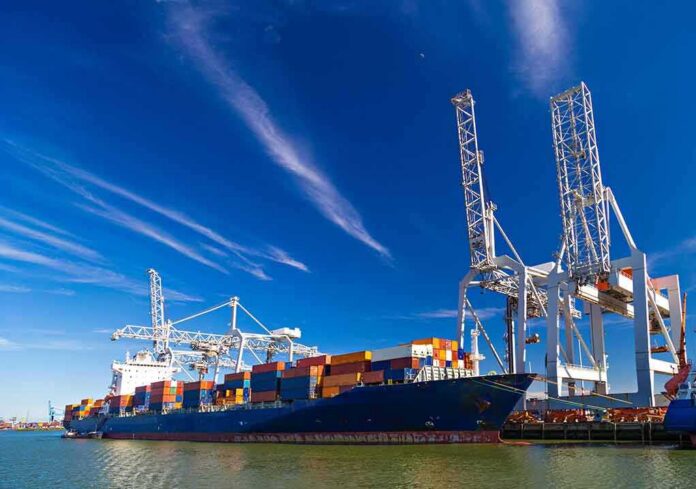
Attacks on ports and shipping lanes raise costs and delays. Since late 2023, Houthi activity has pushed ships to reroute around Africa, which adds time and money to every trip. A United States Congressional Research Service brief explains that Red Sea disruptions have strained supply chains and created bottlenecks for global trade that normally moves through this corridor. Even when damage is minor, risk premiums rise. Insurers, shippers, and consumers can end up paying more after each scare.
🔴Breaking news:
📰 Saudi-led coalition destroys Houthi missile launch platform after attack on Jazan refinery
◾Aramco increases fuel production at Jazan refinery
◾[Houthis deploy Scud missile launchers at camp in Hodeidah]
◾The Saudi-led coalition announced it had… pic.twitter.com/7L8D9edIt1
— newsn7uk 🇬🇧 (@NEWSN7UK_N7) November 27, 2026
Studies have found that past Red Sea disruptions cut traffic and lifted freight and insurance costs, with ripple effects into prices for fuel and goods worldwide. That is why even a contested strike claim can matter. Traders price risk fast, long before investigators confirm every detail. Each new port incident nudges captains, insurers, and investors toward caution. That caution, multiplied across thousands of voyages, can feel like a hidden tax on families and small businesses everywhere.
How To Read Official Claims In A Foggy Conflict
Wartime messaging often runs on quick claims and careful denials. Here, the Houthi side asserts precision and damage. The Saudi side acknowledges a Jizan impact but stresses that damage was minor, while disputing any hit on Jeddah. For citizens trying to make sense of it, two tests help. First, look for items that governments cannot hide easily, like satellite photos, port closure notices, or vessel diversions. Second, track whether ships avoid the area in the days that follow.
What To Watch Next
Watch for fresh satellite imagery, shipping line advisories, and port authority notices that confirm or refute damage at Jeddah. Monitor whether insurers raise rates for Red Sea calls or if major carriers reroute again. Keep an eye on whether the coalition publishes more detail about targets near Hodeidah. These signals will show if this round was a short scare or the start of a longer squeeze on a trade route that millions of families rely on for fuel, food, and everyday goods.
Sources:
zerohedge.com, en.royanews.tv, africa.dailynewsegypt.com, reuters.com, intelwire.uk, africacenter.org, boi.org.il
© standardheadlines.com 2026. All rights reserved.