
When a maximum-security prison has to shoot down a drone loaded with steak, crab legs, and Old Bay, you are no longer talking about a funny headline—you are staring straight at how fragile our prison security really is.
Story Snapshot
- Drone caught over a violent South Carolina prison carrying a “gourmet” contraband holiday feast.
- Behind the laughable menu is a national drone-smuggling crisis fueling drugs, crime, and corruption.
- Georgia prisons alone logged nearly 400 drone incidents this year, with drones strong enough to lift a grown man.
- Taxpayers fund the chaos while short-staffed officers fight nightly drone “attacks” just to keep order.
How A Gourmet Crab Boil Exposed A Maximum-Security Weak Spot
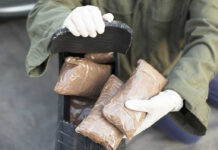
Prison officers at Lee Correctional Institution in Bishopville, South Carolina, did not stop a shipment of rifles or fentanyl; they stopped a drone carrying raw steak, plastic-wrapped crab legs, Old Bay Seasoning, Marlboro cigarettes, marijuana, and loose tobacco hovering over a prison yard just before the holidays. Officials joked online about an “early holiday Old Bay crab boil and steak dinner,” branding the bust with the hashtag #ContrabandChristmas while quietly logging yet another serious breach of their perimeter defenses.
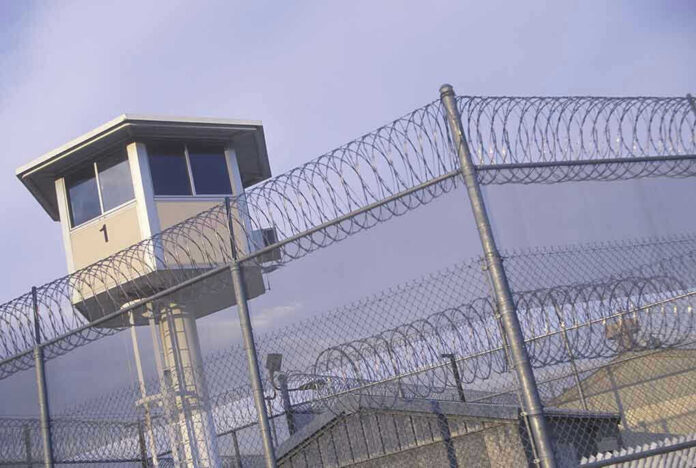
Lee Correctional is not a county lockup; it is a men’s prison for violent offenders and behavioral problems, with a deadly history that includes seven inmates killed and 17 injured in a 2018 bloodbath and two more suspected homicides in the week before this drone was intercepted. When a facility like that still cannot keep a flying cooler full of drugs and food from slipping over the fence, the feel-good “funny contraband story” turns into a harsh reminder that the system is struggling to maintain basic control.
Why The “Funny” Drone Drop Is Part Of A National Security Crisis
South Carolina’s own corrections spokeswoman admits staff “fight nightly attacks from drones” dropping drugs like fentanyl and meth into prison yards, and the Lee County sheriff has warned for years that large drones can now carry heavier and heavier loads. That Sunday’s drop happened to feature crab legs instead of pure fentanyl does not make the method less dangerous; it just makes the headline more clickable while the underlying tactic—the low-risk, high-reward aerial smuggling run—becomes routine.
Georgia’s prison system shows where this trend is heading if states do not get ahead of it. Corrections officials there reported nearly 400 drone incidents at state prisons in 2025, jumping from 17 incidents in January to 63 per month by early fall as smugglers tested and refined their methods. Investigators have seized drones capable of lifting more than 220 pounds, with common models easily hauling 80 to 90 pounds—enough for bulk drugs, weapons, or electronics, not just a bag of steaks and smokes.
Inside Help, Short Staffing, And The Cost To Taxpayers
Georgia’s own data shows the rot behind the hardware: in one fiscal year, contraband incidents triggered nearly 700 criminal cases, including 48 prison staffers arrested, 120 inmates hit with new charges, and 362 civilians charged for helping keep the pipeline flowing. A system running a 1:14 staff-to-prisoner ratio instead of its 1:11 goal, with high turnover and chronic vacancies, makes it easier for corrupt insiders and outside drone operators to exploit thinly guarded perimeters and distracted officers.
Counties now pay to store confiscated drones while state corrections departments ask lawmakers for more money to plug the holes. Taxpayers fund upgraded fences, overtime shifts, and new technology just to chase flying delivery trucks dropping bundles the size of footballs over razor wire. From a conservative, common-sense standpoint, this looks less like a one-off tech problem and more like a predictable result of under-enforced contraband laws, weak internal accountability, and years of tolerating barely adequate staffing in institutions that house the country’s most violent offenders.
What This Says About Control, Culture, And The Next Phase Of Smuggling
Drone operators who spend serious money on high-capacity aircraft and creative “holiday” cargo are probing for weaknesses in the same way street gangs once tested blind camera spots or lazy tower guards. Georgia officials describe bundles carefully wrapped in duct tape and built for maximum volume, and South Carolina’s officers now accept that drone drops are a “nightly” threat. These are not kids playing with toys; these are organized smuggling operations treating airspace as their new highway and prisons as high-margin markets.
The Lee Correctional “gourmet” drop looks minor compared with fentanyl and meth bundles, yet it reveals a deeper cultural problem: inmates expect contraband as a feature of daily life, some staff help deliver it, and the public shrugs until a body count forces attention. A serious response would pair stiff penalties for drone smugglers and corrupt officials with real investment in counter-drone systems and staffing, not just social media jokes about crabby inmates and holiday feasts that almost landed in the yard.
Sources:
WSB-TV: Corrections staff report nearly 400 drone incidents at Georgia state prisons in 2025
Corrections1: Old Bay seasoning and pot: S.C. prison intercepts drone with gourmet contraband
Local12: Authorities intercept drone carrying steak, crab legs, weed for prison inmates
La Voce di New York: Drone drops Christmas contraband inside South Carolina prison yard