
A trusted traveler with expedited border crossing privileges was caught smuggling over 60 pounds of cocaine worth more than $1.1 million, exposing dangerous vulnerabilities in a government program designed to speed up border processing for pre-approved, low-risk U.S. citizens.
Story Snapshot
- CBP arrested a 25-year-old U.S. citizen enrolled in the SENTRI trusted traveler program attempting to smuggle 60 pounds of cocaine hidden in his vehicle doors at San Ysidro Port of Entry
- The April 7, 2026 seizure valued at $1.1 million highlights serious security gaps in expedited border programs amid a 27% spike in cocaine seizures compared to 2024
- Officers used advanced imaging technology and canine detection to uncover the drugs concealed in a 2020 Honda Civic during secondary inspection
- The suspect now faces federal charges for narcotics importation and smuggling, raising questions about vetting procedures for trusted traveler programs
Trusted Traveler Program Exploited for Drug Smuggling
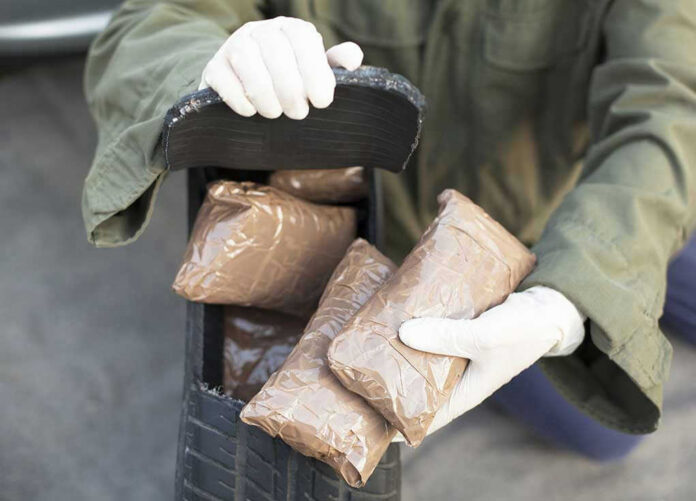
U.S. Customs and Border Protection officers at the San Ysidro Port of Entry arrested a 25-year-old American citizen on April 7, 2026, for allegedly smuggling 60.14 pounds of cocaine hidden in his vehicle. The suspect held trusted traveler status through the Secure Electronic Network for Travelers Rapid Inspection program, which grants pre-approved individuals expedited border crossing privileges. CBP detected the narcotics during a secondary inspection using non-intrusive imaging technology and canine units, discovering the cocaine concealed within the doors of the suspect’s 2020 Honda Civic. The seizure, valued at over $1.1 million, underscores troubling vulnerabilities in a program meant to streamline border processing for vetted, low-risk travelers.
Security Gaps Raise Concerns About Border Vetting
The SENTRI program, launched in 1995 to expedite border crossings for pre-screened individuals, operates on the assumption that vetted U.S. citizens pose minimal security risks. This incident exposes a fundamental flaw in that logic: trusted status can become a smuggler’s advantage. The suspect’s enrollment in SENTRI would have granted faster lane access at one of the busiest land border crossings in the nation, processing millions of travelers annually. CBP’s reliance on secondary inspections and detection technology ultimately prevented this cocaine from reaching American streets, but the breach raises questions about whether drug cartels are specifically recruiting trusted travelers to exploit expedited processing. This undermines the program’s integrity and forces scrutiny on vetting procedures that failed to identify or deter this individual.
Cocaine Seizures Surge as Cartels Adapt Tactics
CBP reported a 27% increase in cocaine seizures compared to March 2024 totals, indicating cartels are intensifying smuggling operations despite enhanced border enforcement under the Trump administration. The San Ysidro incident fits a broader pattern of sophisticated concealment methods, with smugglers hiding narcotics in vehicle compartments, body panels, and structural cavities to evade detection. Officers seized the suspect’s vehicle, drugs, and two cellphones, which may provide evidence of cartel connections or coordination. Federal prosecutors are handling charges for importation and smuggling, though the suspect’s identity, motive, and potential ties to organized crime remain unreported. The case demonstrates that even with advanced imaging and K-9 teams, human judgment in selecting vehicles for secondary inspection remains critical to intercepting contraband.
Implications for Border Security and Trade
The arrest will likely prompt CBP to review SENTRI eligibility criteria and monitoring protocols to prevent future insider threats. Heightened scrutiny of trusted travelers could slow expedited lanes, affecting legitimate cross-border trade and commuters who depend on the program for efficiency. San Diego border communities benefit from reduced drug influx risks when seizures occur, but the broader impact includes economic disruption for cartels losing $1.1 million in street value. Politically, this incident fuels debates over trusted traveler program risks versus border enforcement priorities, with conservatives pointing to the need for rigorous vetting and continuous oversight. The suspect faces loss of freedom, assets, and a criminal record, while CBP reinforces its commitment to deploying technology and trained personnel to counter evolving smuggling tactics at high-traffic ports.
CBP Says It Seized More Than 60 Pounds Of Cocaine From US Citizen At Border https://t.co/BxbAQD2xfK
— zerohedge (@zerohedge) April 16, 2026
Limited details beyond CBP’s initial statements leave key questions unanswered, including whether SENTRI program changes will follow or if additional suspects are under investigation. The case underscores a reality frustrating Americans on both sides of the political spectrum: government programs designed to serve the public can be exploited by bad actors when oversight fails. For millions struggling with the consequences of drug trafficking—addiction, crime, and community decay—this seizure represents both a victory for enforcement and a reminder that trusted systems require constant vigilance. The absence of transparency around suspect identity, cartel links, and prosecution outcomes reflects a pattern where the public receives minimal accountability from agencies tasked with protecting borders and citizens.
Sources:
CBP Says It Seized More Than 60 Pounds Of Cocaine From US Citizen At Border – Zero Hedge
CBP Says It Seizes More Than 60 Pounds of Cocaine From US Citizen at Border – The Epoch Times