
New York City just froze rents for 1 million apartments even as Manhattan prices hit record highs and experts warn the move could shrink housing and push costs even higher for everyone else.
Story Snapshot
- The Rent Guidelines Board voted 7–1 to freeze rents on about 1 million rent-stabilized apartments for two years, fulfilling Mayor Zohran Mamdani’s key campaign promise.
- Manhattan’s median rent has climbed to around $5,000, an all‑time high, with experts already warning the crisis “will only get worse” under current policies.
- Decades of research show rent caps often cut housing supply by 15–30% and drive up prices in unregulated units, hurting new renters and the middle class.
- Despite loud claims of a millionaire exodus, recent data show wealthy New Yorkers are mostly staying put; the real squeeze is on working families crushed by housing costs.
Mamdani’s Rent Freeze: A Big Promise Meets a Harsh Market
On June 25, New York City’s Rent Guidelines Board voted 7–1 to freeze rents on about 1 million rent-stabilized apartments for both one‑ and two‑year leases, starting October 1, 2026. Those units make up roughly 40 percent of the city’s rental housing and include everything from luxury towers to century‑old walk‑ups. Mayor Zohran Mamdani campaigned on this freeze as his landmark affordability plan and secured a board majority by appointing six of the nine members earlier this year.
Supporters cheered the vote as a rare win for tenants in a city where rent has felt out of control for years. For families already in rent‑stabilized apartments, holding their monthly payment steady through 2027 could mean thousands of dollars in relief. Tenant advocates highlight estimates that multi‑year freezes like this can save renters billions over time. In a country where many feel the “elites” always win, this looks like a direct rebuke to landlords and developers who have long dominated housing policy debates.
Rents at Record Highs and a Growing Squeeze on Working New Yorkers
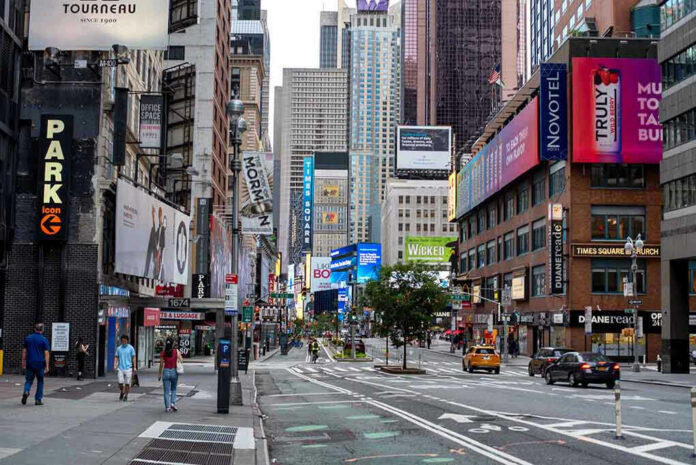
Even as the freeze moves forward, the broader rental market is flashing red. Manhattan’s median rent recently hit about $5,000 a month, the highest level ever recorded, roughly six percent higher than a year earlier. Before Mamdani took office, new leases in Manhattan were already near record highs around $4,600, rising faster than overall inflation as supply remained tight. In some boroughs, typical renters were spending more than half of their income on housing, far above the federal affordability standard and leaving little left for savings or emergencies.
These numbers help explain why both conservatives and liberals are angry. Many on the right blame years of “woke” planning rules, strict environmental mandates, and red tape that make new construction slow and costly. Many on the left point to decades of under‑investment in public housing and social programs, which leave poorer families at the mercy of the private market. What they share is a sense that the federal and local governments have failed to build enough homes or check powerful interests, leaving ordinary people trapped between rising rents and stagnant pay.
What Economic Research Says About Rent Freezes and Housing Supply
While the freeze offers short‑term relief, a large body of research warns it may worsen affordability in the long run. A national study of rent regulation in the United States found that landlords facing strict caps reduced the supply of rental housing by about 15 percent, often by converting buildings to condominiums or other uses. A well‑known study of San Francisco’s rent control showed owners removed roughly 30 percent of regulated units from the rental market, shrinking supply and pushing up prices elsewhere.
Reviews of rent control across several cities show a common pattern: tenants who already have regulated apartments benefit, but new renters pay more and have fewer options. Lower returns lead many property owners to defer repairs, cut maintenance, or sell to bigger investors who focus on higher‑end housing. In New York, recent laws like the 2019 Housing Stability and Tenant Protection Act and the 2024 Good Cause Eviction law have already squeezed margins for small landlords, creating what one analysis calls a “doom loop” where operating costs rise faster than allowed rent increases. Adding a citywide freeze on top of that could accelerate exits and disinvestment.
Record Rents, “Millionaire Flight,” and Who Really Gets Hurt
Critics of Mamdani often warn that high taxes and strict housing rules will drive rich New Yorkers out and blow a hole in the city’s budget. But the best available data so far do not show a mass millionaire exodus. A Fiscal Policy Institute study found that the top one percent of earners move out at roughly half the rate of middle‑income residents, even after tax increases. National research using Internal Revenue Service records found only about 2.4 percent of millionaires change their state in a given year, less than the average American.
BREAKING NYC Rents hit RECORD HIGH as Developers SLAM Mamdani https://t.co/WUNJenaVe7 via @YouTube
— Tessy Deese (@ditchgirl21) July 14, 2026
Instead, housing costs are pushing out working and middle‑class families who cannot absorb a $5,000 rent or a 55 percent rent‑to‑income ratio. Some wealthy residents may grumble and buy a place in Florida, but many can pay higher costs and stay. That leaves the burden of bad housing policy falling hardest on people who follow the rules, work full‑time, and still cannot get ahead. For both right and left, this feeds the belief that a “deep state” of insiders and large investors shapes the rules to protect their assets, while everyday New Yorkers fight over scraps in a rigged system.
A Freeze Without a Building Plan Risks a Deeper Crisis
Many housing experts argue that rent freezes treat the symptom, not the disease. Analyses from research groups and think tanks warn that price caps have “immediate political appeal but negative structural impact,” reducing incentives to build and maintain housing while the underlying shortage grows. New York already bans classic rent control in most new buildings, and Mamdani’s freeze does not apply to newly constructed units. Without a serious push to build more homes, especially modest units for working families, new renters may find themselves paying even more while existing tenants stay put.
Mamdani has floated plans to add affordable units and convert some rentals into resident‑owned housing, but those ideas are still only targets on paper. In the meantime, landlords warn that a freeze plus higher property taxes could be the “final nail in the coffin” for small owners barely covering costs. If they sell or walk away, big investors and banks will pick up properties at discounts, further concentrating control of housing in fewer hands. For Americans already worried that the system serves the rich and powerful first, that outcome would feel like one more sign that government is missing the real problem: not just high prices today, but a shrinking path to stable, affordable homes tomorrow.
Sources:
townhall.com, foxbusiness.com, reuters.com, nypost.com, bloomberg.com, youtube.com, reason.com, rentreboot.com, citylimits.org, nmhc.org, reason.org, news.griinstitute.org, businessinsider.com, dcpolicycenter.org, law.georgetown.edu, city-journal.org, nolabels.org
© standardheadlines.com 2026. All rights reserved.