

Leaked files show Madison Square Garden quietly rating celebrities by “risk” and tagging some as “LGBTQIA,” raising sharp questions about corporate surveillance and basic privacy for every fan who walks through the turnstiles.
Story Snapshot
- Hackers leaked a Madison Square Garden “talent” database that tracks nearly 40,000 public figures with risk scores and labels like “LGBTQIA.”
- The same leak exposed a much larger customer file with over 10 million records, fueling multiple federal class-action lawsuits.
- Critics say the system goes far beyond safety and looks like a private blacklist powered by facial recognition and social media snooping.
- Madison Square Garden calls the reporting “false” and claims the surveillance is only for security, but has not publicly answered key evidence from the leak.
Leaked Database Shows Celebrities Tagged by Sexuality and “Risk”
Wired’s investigation into the Madison Square Garden hack found a “talent” database with about 39,539 names from entertainment, sports, business and politics. Inside, staff tagged celebrities with labels such as “DO NOT,” “low risk,” “medium risk,” and “high risk,” along with notes on social media “concerns.” The report says 93 entries were marked “LGBTQIA,” and some records also noted race and gender identity, including out performers like Ricky Martin and Phoebe Bridgers.
According to a source familiar with Garden security, even a “low risk” score meant that a person had drawn the wrong kind of attention online. The same source said separate databases cover true physical security threats, while this one focused on image and publicity management. That suggests the system was used to control who the owner wanted in his building, not just who might cause harm. For average fans, it shows how easily a private arena can turn opinions and identity into data points and ranks.
Massive Customer File and Federal Class-Action Lawsuits
The hackers, known as ShinyHunters, say they stole about 45 gigabytes of internal data from Madison Square Garden Sports. A sample reviewed by 404 Media and Wired included a second, far larger database with more than 10.5 million entries tied to the company’s customer relationship system. These records included email addresses, phone numbers, birth dates and other personal details for staff and visitors, with entries dating back to 2012 and edits as recent as June 2024.
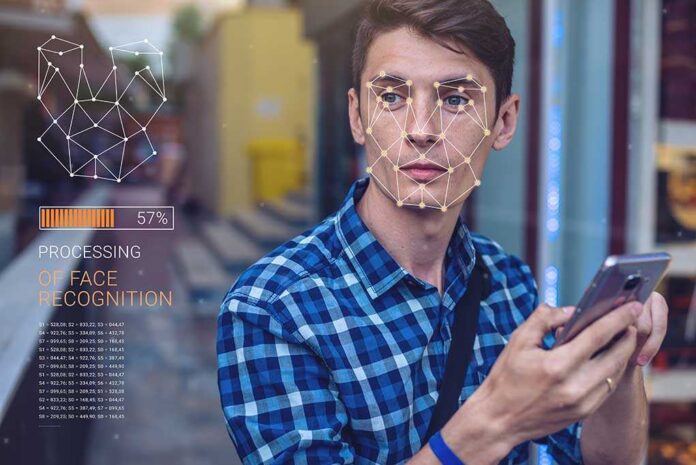
After the leak became public, at least one federal class-action lawsuit was filed in New York, accusing Madison Square Garden of failing to protect the huge trove of visitor and employee data. Coverage of the complaint says the venue mixed facial recognition scans with social media activity since around 2018 to build “threat assessment” profiles on people coming through the doors. That claim matches Wired’s earlier reporting on Madison Square Garden’s wider surveillance machine, including watch lists and facial scanning at the Garden, Radio City Music Hall and the Sphere in Las Vegas.
Trans Fan Tracking Claims and MSG’s Denial
Digital rights advocate Evan Greer told Wired that the leaked files fit a broader pattern of the arena being “particularly interested in queer and trans people” who visit. Greer pointed back to an earlier case where security allegedly tracked a transgender Knicks fan over many visits, timing her bathroom breaks and even recording when she hugged an usher. Reporting says staff built an 18-page dossier on her movements, even though employees said she posed no threat, and she was later banned from the building.
Madison Square Garden strongly denies the most explosive claims. The company’s spokespeople have called Wired’s reporting “inaccurate and false” and said they are pursuing legal remedies. The arena insists its facial recognition and databases are meant to spot violent patrons or rule-breakers, not to target people by sexuality or politics. However, public statements so far have not walked through or explained the specific “LGBTQIA” tags, risk scores, or social media notes seen in the leaked files, and there is no independent audit of the data in public view.
What This Means for Privacy, Free Association, and Conservative Fans
For everyday Americans, this fight is not just about Hollywood names on “Celebrity Row.” The leaked databases show how one private venue can silently score, sort and label tens of thousands of people, then tie those profiles to a much larger pool of fan data. Surveillance experts note that arenas across the industry are adding facial recognition and big data tools, often with little transparency about how those systems can be used to punish speech, politics or lifestyle instead of stopping crime.
Madison Square Garden reportedly maintained internal “risk scores” on roughly 400 celebrities, executives and public figures within a larger VIP database of nearly 40,000 entries, according to @wired.
MSG disputes the report.
MORE: https://t.co/rkWy4JLoRS pic.twitter.com/zZXzdULQSO
— Sports Business Journal (@SBJ) July 10, 2026
Conservatives who care about limited government and personal liberty know that the Bill of Rights does not stop at the arena gate. Even when the watcher is a company instead of Washington, quiet blacklists and identity tagging can chill free speech, religious practice and freedom of association. The Madison Square Garden leak gives a rare look behind the curtain and shows why fans, lawmakers and courts need clear rules: strong data security, tight limits on facial recognition, and no more secret “risk” lists built from our private lives and online opinions.
Sources:
feedpress.me, wired.com, instagram.com, democracynow.org, youtube.com, reddit.com, frontofficesports.com, ag.ny.gov, privacyworld.blog, facebook.com
© standardheadlines.com 2026. All rights reserved.