

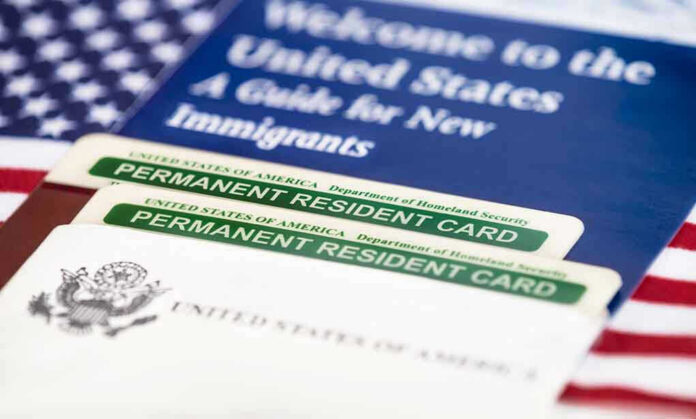
A sweeping Department of Homeland Security plan would nearly double citizenship fees and scrap most waivers, raising alarms about fairness and transparency.
Story Snapshot
- DHS proposes 75–80% hikes for citizenship application and appeal fees [1][3][4].
- Income-based waivers and reduced fees would be eliminated, except for military exemptions [1][3].
- Officials say the goal is full cost recovery for vetting and processing [6].
- Current fees stay during a 60-day comment window; details on impacts remain scarce [1][3].
What DHS Proposed And How Much It Would Cost
Department of Homeland Security proposed a rule to raise the Form N-400 fee from $760 to $1,330 for paper and from $710 to $1,280 for online filings. That is a 75% to 80% jump. The appeal for denials, Form N-336, would rise from $830 to $1,475 on paper and from $780 to $1,425 online. That adds about $645 to a denial challenge. These figures come straight from the proposal and supporting reports [1][3][4].
Homeland Security says the hikes are needed to cover the full cost to process and vet applicants. Officials point to more background checks and interviews as drivers. They argue fees, not taxpayers, should pay for these services. News coverage quotes this “cost recovery” defense and links it to stronger screening standards during this period. That is the stated rationale behind the sharp increases [6].
Who Loses Fee Relief And What Exemptions Remain
The proposal removes income-based fee waivers and reduced fee options for the naturalization application and the appeal. That change ends the main relief many low-income applicants used. The only exemption left by law is for active and former United States military service members. Everyone else would face the full price if the rule is finalized. Law firm summaries of the proposed rule outline these changes in plain terms [1][3].
Current fees remain during a 60-day public comment period. People can still file at today’s prices while they voice support or concerns. After the window closes, the agency will review comments and decide on a final rule. Reports confirm the timing and warn that the higher fees could become a real barrier once adopted. But they also note the increase is not in effect yet [1][3].
What We Know, What We Do Not, And Why It Matters To Conservatives
Reports document the size of the fee hikes and the removal of waivers. They do not show hard data on how many people now use waivers or how many would be priced out. They also do not prove the fee is the top barrier compared with backlogs, the civics test, or other rules. Those are gaps in the public record, which critics and supporters should acknowledge in their arguments [1][3].
The #US Department of Homeland Security has proposed a major increase in filing fees for naturalization applications. The proposal suggests raising the fee for Form N-400 from $760 to $1,330, marking a 75 percent increase while removing reduced-fee options and fee waivers.…
— Deccan Chronicle (@DeccanChronicle) June 23, 2026
Conservatives want secure, lawful immigration and a system that runs on time and on budget. A clear fee-for-service model can fit that view if it is transparent and efficient. But legitimacy needs proof. If the government says it needs 75–80% more per case, it should publish a cost breakdown that shows where every dollar goes. Without that, people will suspect the hikes fund bloat instead of faster, stronger vetting [6].
How To Judge The Plan During The Comment Window
Readers should ask for three things. First, a public cost analysis that ties each fee to tasks like biometrics, interviews, and security checks. Second, data on past waiver use and how many legal residents might be blocked by the new prices. Third, a service pledge with timelines to cut backlogs if more money comes in. These requests are common sense and support both security and fairness in the rulemaking process [1][3].
Bottom Line For Families And Taxpayers
The plan pushes more of the burden onto applicants while claiming better screening. That trade may be acceptable if it speeds cases and strengthens checks. It may be wasteful if it fails to reduce delays or show real cost discipline. During the comment period, demand facts, not slogans. Secure borders and strong vetting matter. So does a lean, honest government that does not hide the bill or the ledger behind buzzwords like “cost recovery” [6].
Sources:
[1] Web – Trump plan would increase citizenship application fee by $570
[3] Web – USCIS Finalizes Increase in Fees for Immigration-Related Applications
[4] Web – DHS Proposes Significant Increase in Filing Fees for Naturalization …
[6] Web – Certain USCIS Immigration-Related Fees Increased as of May 29 …
© standardheadlines.com 2026. All rights reserved.