
A U.S. Army Apache gunship just crashed near the Strait of Hormuz, the pilots survived, and Washington is already fighting an information war over what really brought it down.
Story Snapshot
- Trump says both Apache pilots are “fine,” but the cause of the crash is still under investigation.
- Reports say the helicopter went down near the Strait of Hormuz and the crew was rescued without injuries.[2]
- Officials have not ruled out anything yet, including possible Iranian fire, mechanical failure, or another problem.
- Confusing media narratives and slow Pentagon statements risk shaping the story before hard facts are public.
Trump Confirms Pilots Safe After Apache Crash Near Hormuz
President Trump told reporters that both pilots of the downed U.S. Army Apache attack helicopter are safe and uninjured after their aircraft crashed near the Strait of Hormuz.[1][2] He said, “The pilots are fine. Nobody injured. We are going to issue a report tomorrow,” signaling that a formal update will follow once investigators brief his team.[1] Multiple outlets back this up, reporting that both crew members were rescued from the water without serious harm.[2]
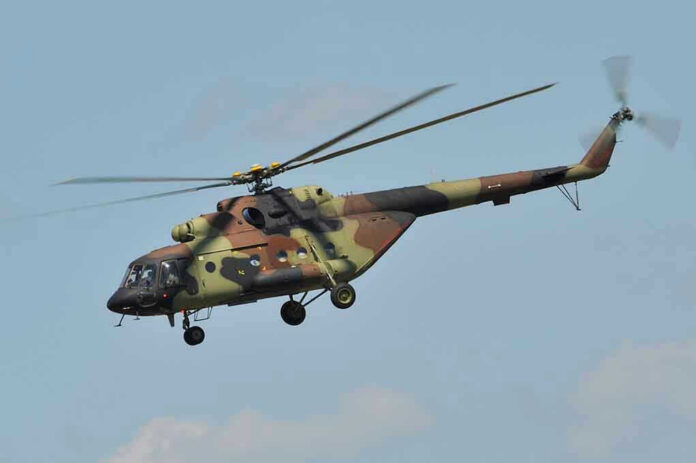
Reports describe the aircraft as an AH-64 Apache gunship that went down off the coast near the Strait of Hormuz, a narrow sea lane that carries a huge share of the world’s oil traffic. News coverage says the crash happened during heightened tension involving Iran and regional conflict, which makes every U.S. military incident in that area feel like a possible warning sign. For now, though, all the confirmed facts center on the safe rescue of the two American crew members.[2]
Cause Still Unknown As Media Floats Competing Theories
News reports quoting United States officials say investigators do not yet know whether the Apache was hit by Iranian weapons, suffered a mechanical failure, or ran into some other problem. Outlets that rely on New York Times sourcing repeat that it is “not immediately clear” if hostile fire was involved, keeping several scenarios open at once. Other coverage underscores that United States Central Command and the Defense Department had not publicly given a detailed cause at the time.
This mix of facts and open questions creates an information fog that many readers know well from past crises in the Middle East. Anonymous officials and foreign commentators have already floated theories about an Iranian surface‑to‑air missile or gunfire, but these claims appear as possibilities under review, not proven conclusions. Without an Army accident board report, maintenance records, or wreckage analysis in public view, no one outside the investigation can honestly say what brought the helicopter down. The only clear point of agreement so far is that both crew members survived.
A Chokepoint Where Every Mishap Becomes A Geopolitical Signal
The Strait of Hormuz is one of the world’s most important and dangerous sea lanes, where American, Iranian, and other forces operate in tight quarters every day.[2] Any crash, misstep, or confrontation there can quickly be read as a sign of coming war, even when the basic facts are still being gathered. Coverage of this Apache incident fits that pattern: quick confirmation that the crew is safe, followed by days of argument about whether the loss was an accident or an attack.[2]
A U.S. crew was saved in the first-ever sea drone rescue after an Apache helicopter crash near the Strait of Hormuz. https://t.co/Jz5NdRq70f
— CBS News (@CBSNews) June 9, 2026
For Americans who care about a strong military and honest leadership, the stakes go beyond one damaged helicopter. When the Pentagon and United States Central Command are slow to speak, foreign media and online activists rush in with their own spin. That confusion can undercut public trust, stir up fear at home, and hand talking points to hostile regimes abroad. The best answer is what Trump signaled: get the facts, finish the investigation, and then tell the truth plainly, without games or woke politics.
Sources:
[1] YouTube – Trump says pilots fine after Army Apache helicopter crashes near …
[2] Web – Trump confirms US Apache crash near Strait of Hormuz, pilots safe
© standardheadlines.com 2026. All rights reserved.