
Millions of Americans’ retirement savings are now prime targets for cybercriminals, as weak oversight and outdated security leave 401(k) accounts vulnerable to devastating identity fraud.
Story Snapshot
- Cybercriminals increasingly exploit 401(k) accounts, putting retirees’ life savings at risk.
- Recent high-profile breaches at firms like JP Morgan and Fidelity exposed systemic security failures.
- Most attacks rely on social engineering and data broker leaks, not technical hacks.
- Strong passwords, multi-factor authentication, and regular monitoring are now essential for protection.
Retirement Accounts Under Siege: Why 401(k)s Are Vulnerable
401(k) accounts have become a lucrative target for cybercriminals, especially as Americans approach retirement age and balances reach their peak. Attackers exploit the fact that most people rarely log in to their retirement accounts, allowing fraudulent withdrawals to go undetected for months. Data brokers selling personal information further enable these scams, making it easy for criminals to impersonate account holders and bypass weak security checks. The surge in identity fraud underscores the urgent need for stronger digital hygiene and vigilant account management.
Major breaches in recent years have revealed deep flaws in how retirement assets are protected. The 2024 JP Morgan Chase breach exposed more than 451,000 accounts, while a late 2024 hack at Fidelity exploited call center procedures to drain funds from unsuspecting retirees. Lawsuits and settlements have followed, with employers and plan sponsors facing increased legal and fiduciary pressure to safeguard participant assets. Despite these incidents, many 401(k) providers still lack robust authentication measures, and infrequent account monitoring remains a common vulnerability.
How Scammers Exploit Weaknesses: Social Engineering and Data Leaks
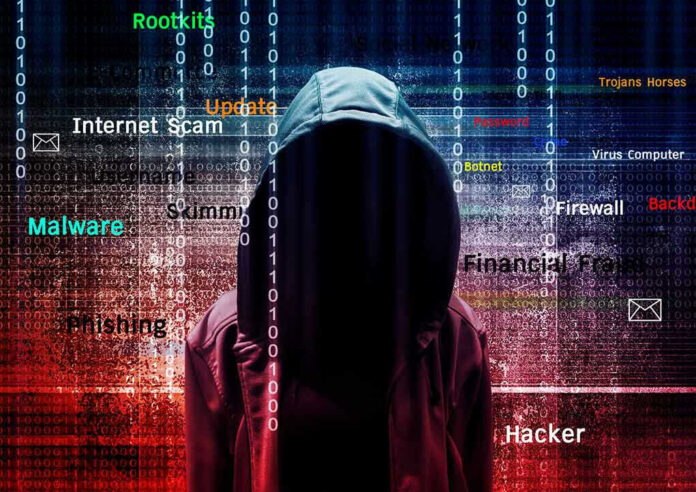
Unlike traditional hacking, most 401(k) breaches hinge on social engineering—manipulating individuals or employees into granting access. Cybercriminals use information obtained from data brokers to answer verification questions or trick call center staff. This method bypasses technical safeguards and capitalizes on human error. The proliferation of personal data online, often sold by brokers, has made targeted attacks easier than ever. Industry experts confirm that 99% of breaches require some form of user action, making education and vigilance critical defenses against identity theft.
Service providers and employers are now under intense regulatory scrutiny. Recent Department of Labor guidance sets new expectations for regular audits, multi-factor authentication, and participant education. However, formal regulations remain in development, and many providers are only beginning to adopt best practices. Meanwhile, the rise of remote work and mobile account access has expanded the attack surface, increasing opportunities for fraudsters to infiltrate retirement systems using compromised credentials or manipulated support channels.
Protecting Your 401(k): Action Steps and Industry Reform
Defending retirement savings against cybercrime requires a combination of personal responsibility and institutional reform. Individuals should use strong, unique passwords, enable multi-factor authentication, and monitor accounts regularly for suspicious activity. Data removal services and password managers can further reduce exposure to identity theft. On the institutional side, plan sponsors and service providers must prioritize cybersecurity, conduct regular audits, and update contractual responsibilities to clarify breach response. The adoption of Department of Labor best practices is now seen as the industry standard, but ongoing litigation and evolving threats demand constant vigilance.
Legal liability for sponsors and providers is rising, with lawsuits and settlements following major breaches. The broader retirement industry is shifting toward stronger cybersecurity frameworks, driven by regulatory guidance and heightened public concern. For American workers and retirees, proactive digital hygiene and informed oversight are the best defenses against a crisis that threatens not just financial stability, but the very promise of secure retirement.
Sources:
Cybersecurity and 401(k) Plans: Top Priority for Plan Sponsors in 2025
Cybersecurity in Benefits & Retirement Accounts: Protecting Savings from Fraud
Why Plan Sponsors Need a Strong Cybersecurity Policy for 401(k) Plans
Cyber Security and 401(k) Plans