

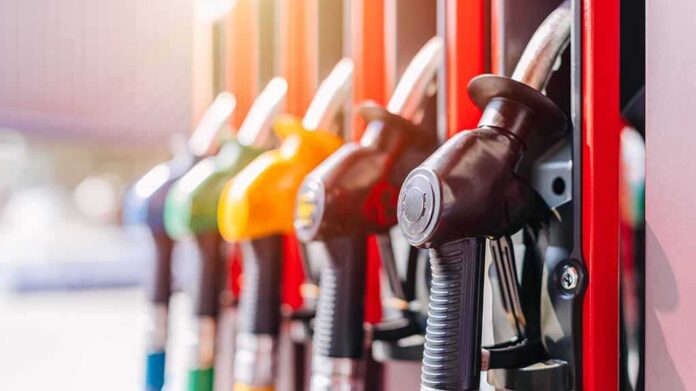
Gasoline did the damage: prices jumped enough in September to push headline inflation to 3.7% year over year, right before voters cast their midterm ballots.
At a Glance
- Headline Consumer Price Index rose 0.6% in September and 3.7% over 12 months.
- Gasoline prices spiked 9.1% in September, driving about half the monthly gain.
- Core inflation rose 0.3% on the month and 2.6% on the year, showing a narrower rise.
- Analysts also point to tariffs and services costs as ongoing price pressures.
What the September report says, without the spin
The Bureau of Labor Statistics said consumer prices rose 0.6% in September and 3.7% over the past year. Gasoline did most of the lifting. The energy index climbed 5.2% on the month, with gas up 9.1%, accounting for about half of September’s total increase in prices. That pattern fits an energy-led shock. It also fits the daily reality at the pump. Families who filled up felt the hit first, then watched it ripple into delivery fees and travel costs.
Core inflation, which strips out food and energy, rose 0.3% on the month and 2.6% over the year. That gap matters. When energy jumps, headline inflation pops faster than core. The same thing happened after Russia invaded Ukraine in 2022, when models by the Federal Reserve linked oil shocks to a clear bump in headline inflation, with smaller effects on core. Energy shocks sting fast. Broader price trends move slower. Voters now face both at once.
Why energy spiked when it did
Reporters linked the September rise to ongoing hostilities involving Iran and disruptions to global energy supply chains, as gas prices accelerated after an already hot August. The mechanism is basic economics. Threats to supply lift crude prices. Higher crude flows into higher wholesale gas. Retail prices follow with a lag. Bureau of Labor Statistics data showed that energy inflation had been warming before September, so the surge built on momentum, not a one-off fluke. The fuse was lit in late summer; September was the flash.
Energy shocks rarely stay in their lane. Trucking, airfares, and utilities often wobble next. But the September data still showed a tighter rise in core inflation than headline. That suggests the spike was concentrated, not yet broad-based. Common sense says address the cause you can see. Stabilize supply routes. Support refinery throughput. Avoid policy steps that choke fuel flow. Families cannot budget around wild swings at the pump. Neither can small businesses with thin margins.
The counter-story: prices were already sticky
Some economists argue the conflict is not the whole picture. They point to years of price buildup, service inflation, and the cost of new tariffs. Diane Swonk said prices have compounded and that tariffs add to “simmering” service inflation, pushing more costs into the pipeline. Allianz Research said tariff rates rose from about 2.5% in 2024 to 11% by late 2025, adding pressure to prices. Royal Bank of Canada analysts flagged tight labor markets and housing lags that keep inflation sticky. These are not fringe views; they are active forces.
So which story wins? The data say both matter, but on different clocks. Energy shocks hit now and hit hard. Structural pressures grind on and keep price levels high. Voters live in both worlds. They buy gas today and pay rent next week. From a conservative lens, the fix starts with supply. Keep energy flowing. Clear red tape for pipelines and refineries. Avoid sudden tariff changes that lift input costs across the board. Target relief where it cools inflation, not where it scores points.
What to watch next before voters decide
Watch gasoline futures, refinery utilization, and retail margins for signs the surge will fade or spread. If gas rolls over, headline inflation can cool fast. If it sticks, delivery and travel costs will bleed into fall prices. Keep an eye on core services, especially shelter and medical. If those ease while energy retreats, inflation anxiety can settle. If they resist, the cost-of-living strain will linger beyond the election. The September report gave a clear nudge: energy is the battlefield right now.
Sources:
theamericanconservative.com, bls.gov, foxbusiness.com, axios.com, stocktitan.net, econsnapshot.com, latimes.com
© standardheadlines.com 2026. All rights reserved.