
Trump’s new defense strategy, spearheaded by Pete Hegseth, reshapes Pentagon leadership, igniting debate over military readiness and ideological shifts.
Story Snapshot
- Pete Hegseth leads significant changes in Pentagon leadership and structure.
- Trump administration renames the Department of Defense to the Department of War.
- Numerous senior military leaders removed as part of a cultural and policy shift.
Hegseth’s Strategic Overhaul
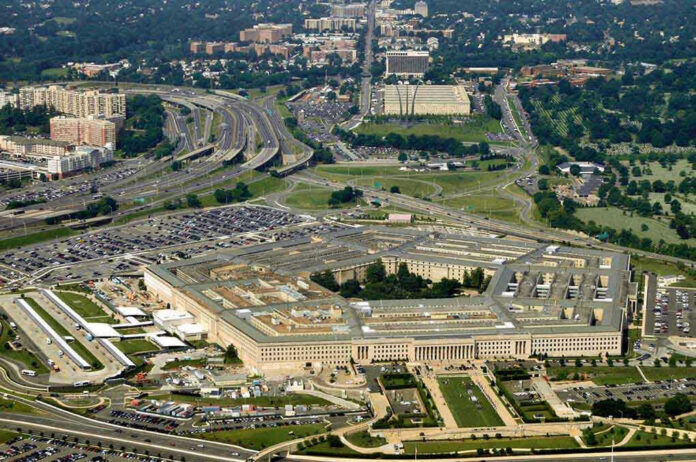
In 2025, Secretary of War Pete Hegseth, appointed by President Trump, enacted major reforms in military leadership and structure. His initiatives included the removal of several high-ranking officers as part of a strategy to realign the Pentagon with the administration’s goals. These moves were outlined during a key meeting at Marine Corps Base Quantico, aiming to increase military effectiveness and adherence to conservative values.
The Trump administration’s executive order to rename the Department of Defense as the Department of War marked a symbolic pivot from post-1947 defense policies. This change reflects a return to traditional military values and a focus on warfighting capabilities over broader security concerns.
Leadership Changes and Their Implications
The reshuffling of military leadership was not just about personnel changes but also ideological alignment. Hegseth’s directives demanded higher physical and grooming standards, reduced mandatory training, and implemented oversight reforms using AI. These moves are aimed at restoring a focus on lethality and efficiency within the ranks.
Critics argue that these changes may politicize the military, but Hegseth and Trump argue they are necessary to ensure the military remains effective and aligned with the country’s strategic goals. The removal of officers like Gen. Charles “CQ” Brown and Adm. Lisa Franchetti signifies a significant shift in leadership philosophy.
Future of U.S. Military Strategy
The Trump administration’s plans include a potential reorganization of combatant commands and a reduction in civilian workforce, which have been met with mixed reactions. While proponents see these changes as a way to streamline operations and reduce bureaucratic overhead, opponents fear it could undermine strategic coherence and international alliances.
As these reforms continue, the implications for the U.S. military’s role on the global stage remain a key area of focus. Allies and adversaries alike are closely watching how these changes will affect military readiness and international relations.
Sources:
Hegseth Quantico Speech and Trump Personnel Changes
Hegseth Announces Series of War Department Reforms
Pentagon’s Proposed Command Shake-Up
Restoring the United States Department of War