
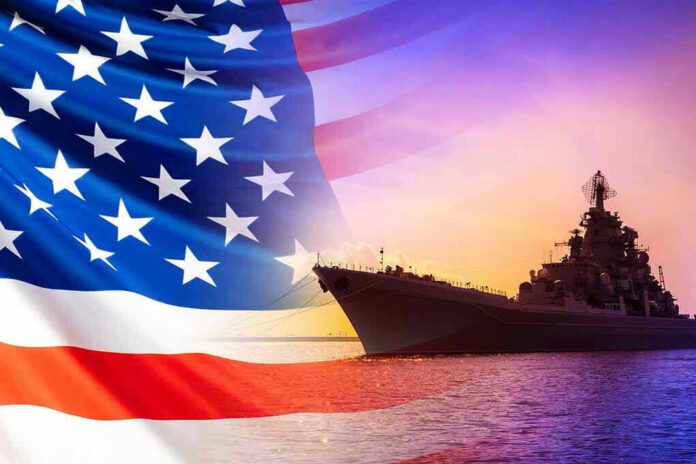
President Trump escalates military pressure on Venezuela’s drug cartel operations, deploying US Naval forces to the Caribbean in the most aggressive counter-narcotics campaign since the Cold War.
Story Highlights
- USS Gravely destroyer arrives in Trinidad and Tobago for joint military exercises amid escalating US-Venezuela tensions
- Trump administration deploys USS Gerald R. Ford carrier group to Latin America, marking unprecedented military escalation
- US strikes have already killed 11 people in September airstrike on alleged Venezuelan drug vessel
- Venezuela condemns deployments as military provocation, alleges CIA involvement in destabilization efforts
Trump Deploys Naval Power Against Drug Cartels
The USS Gravely destroyer arrived in Port of Spain, Trinidad and Tobago, on October 26, 2025, conducting joint military training exercises through October 30. This deployment represents the latest escalation in President Trump’s aggressive campaign against Venezuelan drug trafficking operations. The Trump administration has systematically increased naval presence in the southern Caribbean since late August, framing drug cartels as “narcoterrorists” threatening American security. This approach directly addresses conservative concerns about border security and drug infiltration into American communities.
Military Escalation Reaches Critical Point
Trump authorized deployment of the USS Gerald R. Ford carrier group to Latin America on October 24, signaling unprecedented military commitment to the region. The President announced plans on October 22 to order strikes on land targets, expanding operations beyond previous vessel interdictions. This escalation follows a deadly September 2 airstrike that killed 11 people aboard a vessel allegedly carrying drugs from Venezuela. Military analysts note this represents the largest US naval deployment in the Caribbean since the Cold War, demonstrating Trump’s commitment to protecting American interests from foreign threats.
Venezuela’s Provocative Response
Venezuelan President Nicolás Maduro’s government condemned the Trinidad and Tobago deployment as military provocation, alleging US intelligence involvement in regional destabilization efforts. Venezuela accused Trinidad and Tobago of complicity in US-led operations and warned of potential false-flag operations. These accusations lack independent verification and appear designed to deflect attention from Venezuela’s role as a major drug trafficking corridor. The Maduro regime’s defensive posture suggests Trump’s pressure campaign is effectively disrupting their criminal networks and challenging their authority.
Regional Allies Support American Leadership
Trinidad and Tobago’s cooperation with US military exercises demonstrates regional support for Trump’s counter-narcotics mission. The US Embassy described the deployment as part of “longstanding bilateral cooperation,” emphasizing legitimate security partnerships. This collaboration strengthens America’s strategic position while helping Caribbean allies enhance their security capabilities against drug trafficking threats. The partnership reflects Trump’s successful approach to building coalitions based on mutual interests rather than globalist agenda-driven policies that previously weakened American influence in the region.
Strategic Victory Against Socialist Threats
Trump’s Caribbean operation represents a decisive response to years of Venezuelan socialist aggression and drug cartel expansion under previous administrations. The military buildup effectively counters Russian and Chinese influence in Venezuela while protecting American citizens from drug trafficking networks. This approach prioritizes American security interests over diplomatic niceties that allowed the Maduro regime to operate with impunity. Conservative supporters recognize this as the kind of decisive leadership needed to restore American dominance and protect constitutional values from foreign threats targeting our homeland.
Sources:
2025 United States naval deployment in the Caribbean