
The Secret Service won’t bend its protection rules—even for a legendary golfer tied to the Trump family—after a Florida crash and DUI arrest put the spotlight on who gets to be behind the wheel of presidential grandchildren.
Quick Take
- Reports say Secret Service agents have barred Tiger Woods from driving President Trump’s grandchildren, citing standard security protocols.
- The restriction reportedly began before Woods’ March 27, 2026 DUI arrest, undercutting claims it was only a reaction to the crash.
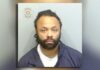
- Martin County officials say Woods appeared impaired, failed field sobriety tests, blew negative for alcohol, and then refused a urinalysis that led to charges.
- The episode highlights how federal protective details control transportation decisions, even when it frustrates family logistics and celebrity friends.
What the report says Secret Service decided—and why it matters
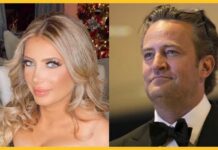
Reporting circulated March 29 says U.S. Secret Service agents are “not letting” Tiger Woods drive with President Donald Trump’s grandchildren, the children of Donald Trump Jr. and his ex-wife Vanessa Trump, who is reportedly in a relationship with Woods. The rationale described is straightforward: agents prioritize protectee safety over convenience, and driving is one of the highest-risk moments for any protective detail. No official Secret Service statement is included in the available reporting.
The headline-grabbing angle is celebrity drama, but the underlying issue is institutional control. Protective details typically decide who can transport protectees and under what conditions, because a vehicle is both a target and an escape route. That means personal relationships—whether a “friend of the family” or a high-profile public figure—don’t automatically translate into trust behind the wheel. For voters already skeptical of two-tier systems, the consistency here is notable: status doesn’t override protocol.
What Florida deputies say happened during the March 27 crash and arrest
Martin County, Florida authorities say Woods crashed a Land Rover while attempting to pass a truck at high speed, rolling the vehicle onto its side. Officials reported signs of impairment and said Woods failed field sobriety tests. A breath test reportedly came back negative for alcohol, and no drugs or medication were found in the vehicle, according to the account. The charge cited in reporting stems from Woods refusing a urinalysis, and he was held at least eight hours under state procedure.
Those details create a messy, but important, distinction: a negative breathalyzer does not automatically clear a driver if officers suspect impairment from another cause, and refusal of additional testing can become the legal flashpoint. At the same time, the reporting available doesn’t include lab results, body-cam releases, or court filings showing what prosecutors will ultimately prove. That matters for fairness and due process—values conservatives rightly demand—especially when a public figure’s reputation can be damaged long before a case is adjudicated.
Why the “ban” reportedly predates the arrest
A key point in the reporting is that the restriction on Woods driving the children was said to be in place even before the March 27 incident. A family insider quoted in the coverage described the agent posture as protective first, personal feelings second. If accurate, that timing supports the idea that this is less about scandal management and more about baseline security rules applied to a non-family adult moving around protected minors with 24/7 coverage during a sitting president’s term.
Trump’s public comments and the limits of personal loyalty
President Trump has publicly described Woods as a “friend” and referenced his “difficulty,” reflecting a familiar Trump instinct: personal loyalty paired with blunt acknowledgment when someone is struggling. But the report does not suggest Trump intervened in the operational decision-making of agents tasked with protecting his family. That separation matters in a constitutional republic. Even supporters who are exhausted by institutions that seem politicized can still recognize a legitimate lane: security professionals managing protective logistics without political micromanagement.
Secret Service Reportedly ‘Not Letting’ Tiger Woods Drive With Trump’s Grandchildren #Mediaite https://t.co/2e8xEqgtw5
— #TuckFrump (@realTuckFrumper) March 29, 2026
For many MAGA voters, the bigger frustration in 2026 is a country that feels like it runs on exceptions—special rules for elites, selective enforcement, and endless public-relations spin. This story cuts against that narrative in one narrow way: the most powerful family in American politics still doesn’t get to waive basic protective rules when kids are involved. With only one primary report available and no direct Secret Service quote, readers should treat the “reportedly” as real—but not as final—until more documentation emerges.
Sources:
Tiger Woods Banned By Secret Service From Driving Trump’s Grandkids: Report