
President Trump said impeachment would “destroy” Democrats, as House leaders filed a sweeping resolution that reopens fights over past elections and current power.
Story Snapshot
- Trump told reporters he is “not at all” worried about impeachment and called it baseless.
- Democrats gained control of Congress in 2026 and are weighing investigations and possible articles.
- A new House resolution cites election-related allegations that span multiple years.
- Democratic Senator Elissa Slotkin frames the push as accountability for misuse of taxpayer funds, not revenge.
What Trump Said And Why It Matters
On November 4, 2026, President Trump said he was “not even a little bit” concerned about impeachment. He argued Democrats would “destroy” their party if they tried. He also said the country is “more successful now than at any time in its history.” These statements came right after Democrats won sizable majorities in the House and the Senate. News outlets reported his comments as a response to the renewed threat from a newly empowered Congress.
Trump’s confidence signals a high-stakes standoff. Supporters see a warning against partisan overreach. Critics hear dismissal of serious claims. The split captures a shared public worry: Washington’s fights help politicians more than families. Many Americans believe both parties chase power and donors while prices, border stress, and safety concerns pile up. Trump’s remarks, and the reaction to them, fit that broader fear that politics has become a sport where leaders keep score, not promises.
What Is In The New Impeachment Resolution
House Resolution 1575 lays out allegations tied to elections across several years. It cites claims that Trump spread falsehoods about 2020, pressured election officials, and cast doubt on the 2026 midterms. It also references demands about voter rolls and conditions on federal dollars. The scope is wide, not a single recent act. The resolution gives Democrats a formal document to point to during hearings and debate, moving the fight from talk to text.
The breadth cuts two ways. Backers argue a pattern of conduct matters when judging abuse of power. Trump’s allies say old disputes and policy fights are getting relabeled as “high crimes.” The timing—right after Democrats took Congress—adds to the sense that impeachment is a political tool. History shows oversight surges when the White House and Congress split. That pattern is real, but it does not prove or disprove any specific charge.
How Democrats Frame Accountability
Senator Elissa Slotkin says the goal is simple: if you break the law or abuse taxpayer money, you should face consequences. She has urged reviews of alleged diversions of funds and questionable contracts, and said accountability should include officials who “enabled” misconduct. Her office also pushed back on claims that she only targets Trump. She says the focus is misuse of public money and public power, wherever it occurred.
Democratic planners have said they would start with investigations, not impeachment as step one. They argue they will consider impeachment only if evidence supports it. That stance matters because it separates inquiry from removal. It also reflects political risk. Rushing could backfire. Moving too slow could anger their base. Their stated plan is to use hearings to build a record, test witnesses, and sort what is unlawful from what is unpopular policy.
What This Means For The Country
Americans on the right and left see signs that the system serves insiders first. They point to closed-door deals, permanent campaigns, and blame games that dodge hard fixes. This fight feeds that view. If Congress treats impeachment as a headline, trust will sink. If the White House waves off every charge, trust will sink. The country needs facts, clear rules, and fair process. Anything less looks like a power play with the public stuck in the middle.
Democrats Seize Congress
Democrats have flipped the House and Senate in the midterm elections, securing at least 228 House seats and a 54–44 Senate majority. Vance attributed voter defections to the war, living costs, and U.S.–Israel ties. With Trump facing two years of divided… pic.twitter.com/i6uWDIFsYC
— Muhammet Ali Zurnacı (@malizurnaci) November 4, 2026
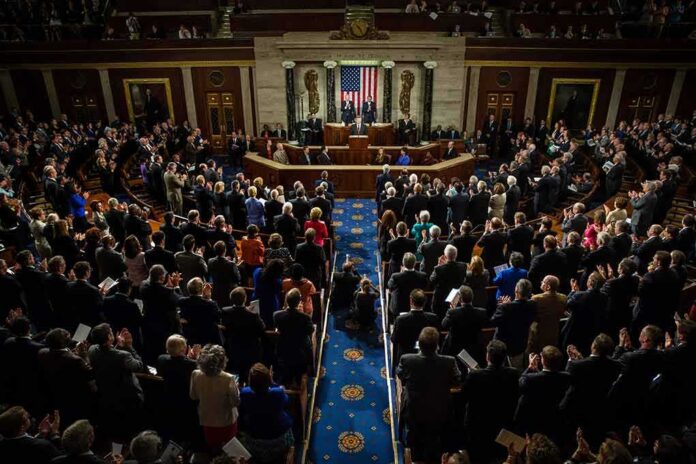
Here is the road ahead. Committees can subpoena documents and call witnesses. The House can draft articles and vote. The Senate then tries the case. None of that decides pocketbook issues by itself. But it can set standards that curb waste and abuse. It can also spiral into theater. Voters should track the evidence, not the volume. Hold both sides to the same bar: prove it, or move on. That is how oversight serves people, not parties.
Sources:
youtube.com, bloomberg.com, edition.cnn.com, abc17news.com, washingtonexaminer.com, marketscreener.com, theatlantic.com
© standardheadlines.com 2026. All rights reserved.