
Iran’s regime is urging young civilians to lock arms around power plants—an optics-heavy move that critics say risks turning ordinary people into literal shields in a high-stakes standoff with the United States.
Quick Take
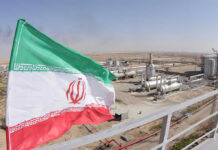
- Iran’s Ministry of Sports and Youth publicly called on youth, athletes, artists, and students to form “human chains” around power plants and energy facilities.
- The mobilization was scheduled for Tuesday afternoon in Iran, timed hours ahead of President Trump’s deadline tied to reopening the Strait of Hormuz.
- Iranian state-aligned media verified the call, while some reporting noted hospitals preparing for potential power loss.
- Reports differ on whether the effort focused strictly on civilian power plants or was framed more broadly to include “nuclear” sites.
Iran’s “Human Chain” Call Puts Civilians at the Center of a Military Standoff
Iran’s Ministry of Sports and Youth issued a public appeal for youth, students, athletes, and artists to form a “human chain” around power plants and energy facilities as tensions rose in the US-Iran conflict. Iranian Deputy Youth Affairs Minister Alireza Rahimi was identified as the public face of the effort, describing it as a youth-suggested symbolic action meant to show commitment to protecting infrastructure.
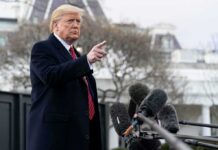
President Donald Trump’s warnings to Iran centered on the Strait of Hormuz, a vital corridor for global oil shipments and a recurring pressure point in Middle East crises. Reporting described Trump threatening to destroy infrastructure—including power plants—if the strait was not reopened by a stated deadline. Iran’s planned “human chain” was scheduled to begin hours before that deadline, suggesting a deliberate attempt to shape US decision-making through civilian presence.
Timing, Messaging, and Verification: What’s Confirmed and What’s Not
One key detail appears consistent across reporting: the call was verified through regime-aligned channels, including Nour News, and circulated publicly with a specific start time on Tuesday afternoon. Another detail is less certain: the available reports described the action as planned or imminent, but the research provided does not include independent, post-event confirmation showing the chains formed at multiple sites nationwide as officially described.
The language around targets also varies. The core call focused on power plants and energy facilities, which are typically civilian infrastructure, even when dual-use concerns exist. Some coverage and commentary referenced nuclear-related sites more broadly, but the underlying descriptions emphasized power and energy facilities rather than a clearly delineated nuclear perimeter. That distinction matters because “power plant” can mean ordinary electrical generation, while “nuclear” language carries different legal and strategic implications.
Why Civilian “Shielding” Claims Matter Under the Laws of War
Critics on social media characterized the call as “human shielding,” a term that—when accurate—raises serious legal and moral questions. The Iranian official messaging described the effort as voluntary and symbolic, framing it like a patriotic demonstration rather than a coercive deployment. Based on the provided material, it is not possible to confirm coercion, but placing civilians at potential strike-adjacent locations inherently increases risk if conflict escalates.
What This Signals for the Region—and for Americans Watching Energy and Security
The broader context is a fast-moving escalation where energy, shipping lanes, and deterrence messaging intersect. When the Strait of Hormuz becomes the bargaining chip, Americans can feel downstream consequences through fuel prices and broader economic volatility, even if no shots are fired on US soil. Iran highlighting power infrastructure also underscores a basic wartime reality: modern economies run on electricity, and blackouts quickly become humanitarian crises.
For US voters already skeptical that “elites” manage crises competently, this episode is a reminder that governments often communicate through spectacle when conventional leverage is limited. Iran appears to be using mass mobilization as a deterrence signal, while Trump is using deadlines and threats to force behavioral change. The research provided does not confirm what happened after the scheduled demonstration time, so the clearest takeaway for now is the tactic itself—and the dangerous incentives it can create.