

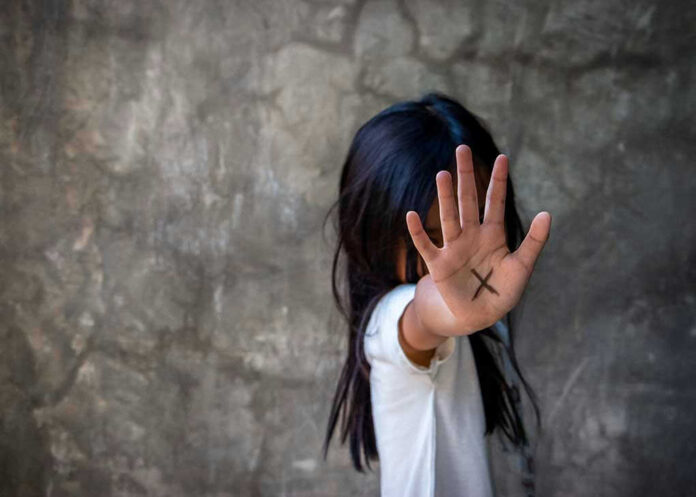
A 12-year-old Honduran girl who entered America as an unaccompanied minor was allegedly subjected to horrific torture by her government-approved sponsors, exposing the catastrophic failures of our broken immigration vetting system.
Story Highlights
- Honduran girl tortured with zip ties, starved, and sexually abused by sponsors after entering US in 2014
- Child passed between multiple abusive sponsors due to inadequate government vetting processes
- Garcia sisters now face felony charges for injury to a child, unlawful restraint, and invasive visual recording
- Case highlights systemic failures in Office of Refugee Resettlement’s sponsor oversight program
Government Vetting System Catastrophically Failed Vulnerable Child
The 12-year-old girl arrived in the United States during June 2014’s massive surge of unaccompanied minors from Central America. Border apprehensions had skyrocketed nearly 80% from 38,759 children in 2013 to 68,541 in 2014. The Department of Health and Human Services’ Office of Refugee Resettlement placed her first with a distant uncle, where she allegedly suffered sexual abuse. When that placement failed, officials transferred her to Brenda and Tania Garcia in Montgomery County, Texas, where the nightmare intensified.
The Garcia sisters subjected the child to systematic torture including severe beatings, starvation, restraint with zip ties, and invasive visual recording. This prolonged abuse continued for months until the brave girl managed to escape in September 2014. The case demonstrates how government bureaucrats prioritized rapid placement over thorough background checks, abandoning vulnerable children to predators masquerading as caregivers.
Systemic Abuse Reveals Border Security Nightmare
This horrific case exemplifies the broader crisis created by massive illegal immigration surges overwhelming our protective systems. Honduras maintains one of the world’s highest rates of violence against women and girls, yet our immigration apparatus repeatedly fails to adequately screen those entrusted with vulnerable children’s safety. The Office of Refugee Resettlement’s sponsor vetting process has faced sustained criticism for prioritizing speed over security, creating opportunities for exploitation.
Multiple reports document similar abuse cases involving unaccompanied minors released to inadequately vetted sponsors. The system’s reliance on distant relatives or acquaintances without robust monitoring exposes children to further trauma after they’ve already survived dangerous border crossings. This represents a fundamental betrayal of our duty to protect the most vulnerable, regardless of immigration status.
Criminal Charges Highlight Need for Accountability
Law enforcement has charged the Garcia sisters with multiple felonies including injury to a child, unlawful restraint, and invasive visual recording. The victim received medical and psychological care after her escape, but the trauma inflicted during her government-sanctioned placement cannot be undone. The case has reignited debates over sponsor vetting adequacy and post-placement monitoring protocols that clearly failed this child.
The incident serves as a stark reminder that good intentions cannot substitute for rigorous oversight and accountability. While advocacy groups push for expanded humanitarian programs, this case demonstrates the life-threatening consequences when government agencies prioritize processing numbers over protecting lives. The Trump administration’s focus on comprehensive immigration reform and enhanced vetting procedures directly addresses these systemic vulnerabilities that have endangered countless children.
Sources:
12-year-old Honduran girl allegedly tortured by sponsors after entering U.S. as unaccompanied minor
A Choiceless Choice: How U.S. Aid Cuts and Rising Violence Are Trapping Women and Girls in Honduras
“You Feel Like Your Life is Over”: Abusive Practices at Three Florida Immigration
HHS Sponsor Vetting Under Fire After 12-Year-Old Unaccompanied Minor Case