
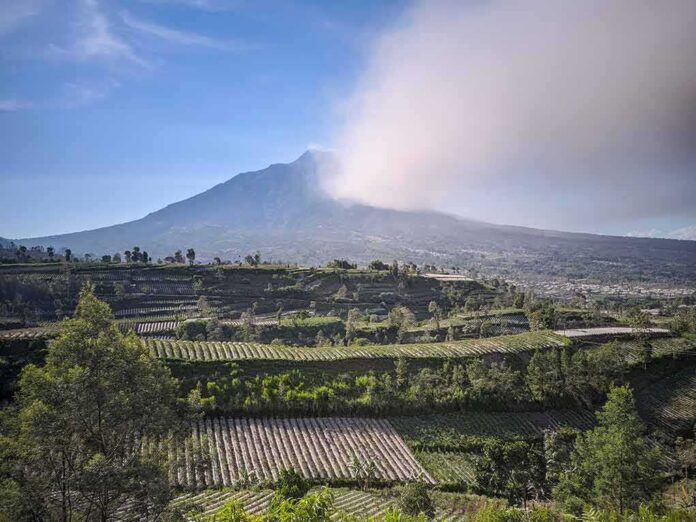
Guatemala raised a nationwide orange alert and began evacuations as Volcán de Fuego sent lava and thick ash into nearby communities.
Story Snapshot
- Officials activated a national orange alert and started moving people from two villages.
- Volcán de Fuego increased activity with lava flows and large ash columns, raising risk.
- The four-step alert scale puts orange just below red, signaling serious danger.
- Past advisories show a pattern of fast action when Fuego escalates.
What Authorities Did And Why It Matters
Guatemala’s disaster agency declared a nationwide orange alert as the Fuego volcano intensified on August 4. Officials reported stronger eruptive activity, prompting evacuations in at least two nearby villages to reduce risk from ash and fast-moving hot debris. Reporters on the ground described lava moving down the slopes and large clouds of ash and gas rising into the sky. The move signals a serious threat phase and aims to shift people out of harm’s way before conditions get worse.
Guatemala uses a four-level alert system to guide action. Green signals normal conditions. Yellow signals caution. Orange signals a high risk that can require evacuations. Red is the top tier for imminent or ongoing extreme danger. Multiple outlets described the orange status as the second highest level, which explains why officials paused routine activity and opened evacuation routes near the volcano. This structure helps leaders act fast even when data are still evolving.
What The Volcano Is Doing Now
Recent reports say Volcán de Fuego is venting large ash columns and dropping ash on nearby areas, with lava descending ravines on its flanks. The pattern matches past behavior where activity can jump from steady bursts to more explosive episodes. Agencies warned that hot flows of gas, ash, and rock can race down channels without much warning. These flows are the deadliest hazard on this volcano, which sits only about 35 kilometers from Guatemala City’s dense metro area.
International and regional trackers echoed the orange status and said authorities advised people to stay away from the volcano zone. Earlier this year, the United States Embassy in Guatemala issued an alert during a separate spike, noting that hot ash, rocks, and gases made approaches unsafe and that access to the craters was suspended. That history shows a habit of precaution around Fuego. When activity rises, leaders tend to close trails, warn travelers, and move residents sooner rather than later.
Why Communication Can Get Confusing
Different outlets used different words for the same action. Some said “danger” while others said “orange.” In Guatemala’s system, orange is serious but still one step below a full red emergency. That language gap can make an orange alert sound like the absolute maximum, even when red remains the top level. The core facts stand: officials raised the threat tier, reported stronger eruptions, and started evacuations around the volcano’s slopes.
People across the political spectrum often worry that officials hide the ball or move too slowly. Disasters cut through that noise. Clear alerts and early evacuations save lives, especially near a volcano famous for sudden, deadly pyroclastic flows. Here, the record shows action matched risk. Leaders lifted the alert to orange, warned about ash and lava, and moved families out early. That does not solve long-term trust gaps, but it is the kind of decisive step communities expect in a real threat.
Sources:
livinginguatemala.com, rtl.fr, france24.com, democrata.es, volcanodiscovery.com
© standardheadlines.com 2026. All rights reserved.