
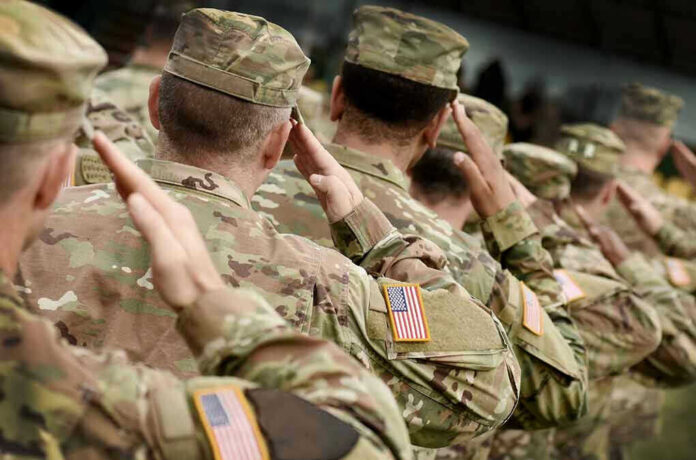
The Army quietly raised its maximum enlistment age to 42 as America plunges deeper into conflict with Iran, echoing the desperate recruiting measures of the Iraq War while Trump’s promise to avoid new wars crumbles under the weight of another Middle East intervention.
Story Snapshot
- Army Regulation 601-210 updated March 20, 2026, raising enlistment age from 35 to 42, effective April 20
- Policy eliminates waivers for single marijuana possession convictions, streamlining recruitment processing
- Change mirrors 2006 wartime expansion during Iraq/Afghanistan conflicts amid current Iran war deployments
- Average recruit age climbed to 22.7 years in FY2026, signaling shift toward older, more experienced enlistees
Wartime Recruiting Echoes Iraq Era Desperation
The U.S. Army published updated regulations on March 20, 2026, raising the maximum enlistment age to 42 for the Regular Army, Army National Guard, and Army Reserve. The policy takes full effect April 20, 2026, aligning Army standards with the Air Force, Space Force, and Coast Guard. This marks a return to the same age ceiling implemented in 2006 during peak Iraq War operations, when military branches scrambled to fill ranks depleted by extended combat deployments. The timing raises troubling questions for Americans already frustrated with Trump’s failure to keep his central campaign promise of ending regime change wars.
The Army previously capped enlistment at 35 years old, requiring waivers for older candidates that slowed processing and created administrative bottlenecks. Army Recruiting Command dropped the waiver requirement entirely under the new regulation, opening enlistment to Americans aged 35-42 without bureaucratic hurdles. The policy simultaneously eliminates waivers for single marijuana possession or drug paraphernalia convictions, reflecting state-level legalization trends across the nation. Army officials claim the changes modernize recruitment standards to access skilled workers from an older labor market, but the precedent tells a different story about military manpower needs during sustained combat operations.
Iran War Drives Policy Shift Amid Recruiting Struggles
Pentagon deployments to the Middle East accelerated following U.S. and Israeli strikes on Iran February 28, 2026, creating immediate personnel demands as the Trump administration prosecutes another foreign conflict. The Army missed Regular Army recruiting goals in fiscal years 2022 and 2023 before rebounding in 2024, yet the average recruit age steadily climbed from 21.1 years in the 2010s to 22.7 years in FY2026. This demographic shift toward older enlistees suggests the service already relies heavily on more mature Americans to fill gaps, making the age increase a formalization of existing trends rather than a bold new initiative.
The FY2026 National Defense Authorization Act, signed by President Trump December 18, 2025, mandated Selective Service system automation and broader DoD alignment on accession policies. The Army’s age adjustment brings it into line with sister services, though the Marine Corps maintains a 28-year-old cap with waivers available. Madison Bonzo, Army Recruiting Division chief of media relations, confirmed the age data showing recruitment patterns shifting older, emphasizing the service seeks to “diversify the talent pool” and “speed qualified candidates” through processing. Critics note this language mirrors justifications used during the Iraq and Afghanistan surge years, when lowered standards and expanded eligibility masked severe retention and morale problems driven by endless deployments.
Constitutional Concerns Mount Over Draft Preparations
The policy change arrives as the same NDAA mandates full Selective Service automation by December 18, 2026, raising concerns among constitutionally-minded Americans about potential draft reinstatement. Expanding volunteer enlistment eligibility while simultaneously modernizing draft infrastructure suggests military planners anticipate sustained or expanded conflicts requiring manpower beyond current volunteer capacity. The Iran war already strains forces promised they would not fight another Middle East regime change operation, undermining trust between service members and civilian leadership. For MAGA supporters who backed Trump specifically to end these interventions, watching the administration recycle Bush-era recruiting tactics feels like betrayal of core campaign commitments to prioritize American interests over foreign entanglements.
Army raises enlistment age to 42, eases marijuana conviction restrictions https://t.co/MZDsE5k7Qu
— The Washington Times (@WashTimes) March 26, 2026
Army officials emphasize the changes leverage experienced workers with technical skills and leadership qualities younger recruits lack, cutting administrative costs by eliminating waiver processing delays. Short-term benefits include faster recruitment timelines and access to the 35-42 age cohort previously excluded, potentially boosting numbers after the 2022-2023 shortfalls. Long-term implications remain unclear, as older recruits may face higher training costs, increased health risks, and fitness challenges not addressed in official statements. The marijuana policy adjustment normalizes minor drug offenses amid state decriminalization, but combined with age increases, it signals the Army accepts lower traditional standards to meet quotas. This approach mirrors complaints about woke military policies prioritizing social engineering over warfighting readiness, except now the erosion serves immediate combat needs rather than ideological agendas, making opposition more complex for conservatives torn between supporting troops and opposing the war itself.
Sources:
Army ups max enlistment age to 42
Military enlistment age limits 2026: Army raises cap to 42
Army extends maximum recruitment age to 42, allowing older applicants to enlist
Army raises maximum enlistment age to 42
Army raises maximum enlistment age to 42