
Newly released video files and investigative reports expose glaring gaps in the government’s investigation into Jeffrey Epstein’s death, revealing uninterviewed witnesses, malfunctioning cameras, and falsified records that leave Americans questioning what really happened the night the notorious sex trafficker died in federal custody.
Story Highlights
- DOJ Inspector General ruled Epstein’s August 2019 death a suicide by negligence, claiming no unauthorized tier entry between 10:40 p.m. and 6:30 a.m.
- CBS News analysis of released security videos reveals camera blind spots, non-recording equipment, and only one documented cell check despite 30-minute round requirements.
- Federal investigators interviewed just 54 people but skipped most tier inmates, staff, and Epstein’s daily visitors, leaving critical gaps in the official narrative.
- Corrections officers Tova Noel and Michael Thomas falsified logs and slept on duty; charges were dropped in 2021 after plea deals.
Government Investigation Raises More Questions Than Answers
The Department of Justice Office of the Inspector General released a comprehensive 2023 report on Jeffrey Epstein’s August 10, 2019 death at Manhattan’s Metropolitan Correctional Center. The report concluded Epstein committed suicide due to staff negligence, with no evidence of unauthorized entry to his Special Housing Unit tier from 10:40 p.m. on August 9 until officers discovered his body at 6:30 a.m. the next morning. However, CBS News obtained and analyzed security footage that reveals significant limitations in camera coverage, non-functioning recording equipment on adjacent tiers, and systematic failures in prisoner monitoring that undermine confidence in the official conclusions.
Critical Security Failures Exposed at Federal Facility
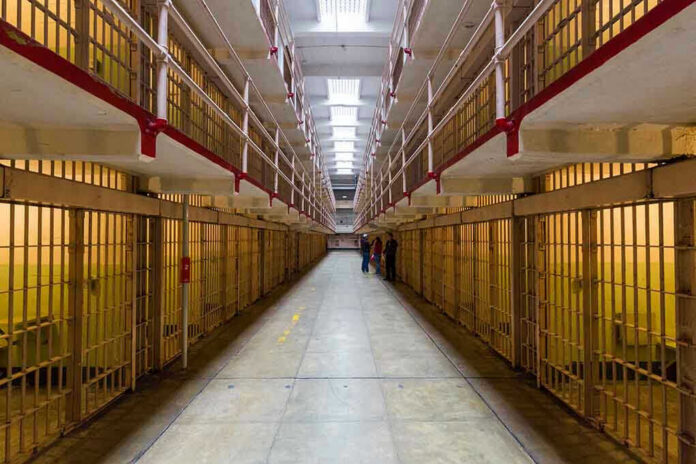
Epstein was housed in the L-tier of MCC’s Special Housing Unit, a high-security segregated area where inmates remain locked in cells approximately 23 hours daily. Federal protocols mandated 30-minute security rounds and comprehensive monitoring for high-profile detainees like Epstein. Officer Tova Noel conducted only one documented check around 10:00 p.m. on August 9, despite requirements for continuous rounds throughout the night. Surveillance cameras failed to capture Epstein’s cell door or stairwell access points, creating unmonitored blind spots. Video footage shows officers Noel and Michael Thomas remaining at their desk outside the tier, with both later admitting to sleeping on duty and falsifying logbooks to conceal their dereliction.
Incomplete Witness Interviews Leave Crucial Gaps
The Inspector General’s team interviewed 54 individuals during their investigation, yet CBS News reports numerous critical witnesses were never questioned. Most inmates housed on Epstein’s tier, staff members with facility access, and Epstein’s rotating cast of attorneys and visitors who saw him daily received no investigator contact. Epstein’s legal team maintained a presence described as “babysitting,” with representatives visiting daily including the day before his death. The OIG acknowledged finding a non-recording camera on the adjacent J-tier but provided no explanation for why equipment failures weren’t fully explored. This selective interview process represents a troubling gap in what should have been an exhaustive federal investigation into a high-profile death.
Systemic Negligence Undermines Public Trust
The MCC facility had documented histories of understaffing, prior inmate suicides, and operational failures that the Inspector General’s report confirmed contributed to Epstein’s death. Despite this systemic negligence, criminal charges against officers Noel and Thomas were dropped in 2021 as part of plea agreements requiring interviews and community service. The facility itself was temporarily closed for reforms, yet no comprehensive accountability measures addressed the broader Bureau of Prisons failures. Americans deserve transparency when federal custody results in the death of someone awaiting trial on serious charges, particularly when that individual held information potentially implicating powerful figures. The video inconsistencies, uninterviewed witnesses, and equipment malfunctions documented by independent media analysis suggest the government’s investigation prioritized narrative control over truth-seeking, leaving victims and the public without closure or justice.
Sources:
DOJ Office of the Inspector General Report 23-085
CBS News: Jeffrey Epstein Cell Where He Died in Disarray, No Thorough Inspection
CBS News: Epstein Files Videos Jail Footage