
Hong Kong’s massive rollout of AI-driven surveillance cameras exposes the chilling future of unchecked government power, raising alarms for every American who values constitutional freedoms and privacy.
Story Snapshot
- Hong Kong will increase AI-equipped surveillance cameras from 4,000 to 60,000 by 2028, mirroring mainland China’s mass monitoring tactics.
- The government sidestepped independent oversight, with privacy watchdogs not even consulted on the expansion.
- Cameras will use real-time facial recognition, enabling authorities to track citizens and suppress dissent.
- Experts warn of a dangerous precedent: normalization of mass surveillance and erosion of civil liberties.
Hong Kong’s Surveillance Surge: A Cautionary Tale for the Free World
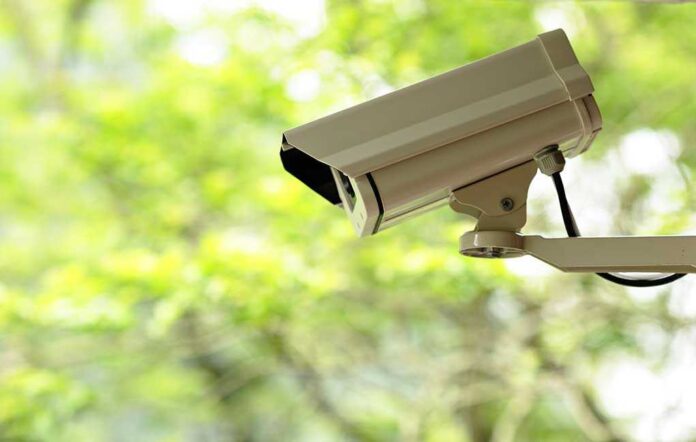
Hong Kong is set to dramatically expand its surveillance infrastructure, increasing the number of publicly operated cameras from around 4,000 to a staggering 60,000 by 2028. These new cameras will be equipped with advanced artificial intelligence, including real-time facial recognition, under a police-led initiative called the SmartView program. Authorities claim this is necessary for national security and combating crime, but the sheer scale and technological reach of the program raise profound questions about privacy and government overreach. Such sweeping surveillance powers echo the worst instincts of authoritarian regimes, where the government’s eye never blinks and freedom is always under suspicion.
The roots of this expansion trace back to the 2019 pro-democracy protests that shook Hong Kong, prompting Beijing to impose a sweeping National Security Law in 2020. That law gave local authorities broad latitude to monitor, detain, and prosecute dissenters. Since then, the SmartView program has grown steadily, credited with hundreds of arrests and the integration of surveillance across metro, transport, and even housing sectors. This rapid technological escalation is not merely about crime prevention; it is a clear move to consolidate state power and stifle opposition voices, especially as the city’s history of activism and free speech comes under siege.
No Checks, No Balances: Oversight Gutted in the Race for Control
One of the gravest concerns is the lack of independent oversight in this surveillance surge. Despite the involvement of the Office of the Privacy Commissioner for Personal Data, reports confirm that this watchdog was not consulted about the camera expansion. There are no robust regulatory checks or transparent rules governing how police can deploy AI-powered facial recognition. As a result, law enforcement holds unchecked power to monitor, track, and potentially target individuals, including political dissidents, minority groups, or anyone deemed undesirable. This unchecked authority is precisely what the U.S. Constitution was designed to prevent. When police and politicians operate without meaningful oversight, the door opens to abuse, wrongful arrests, and intimidation of law-abiding citizens.
Hong Kong’s government justifies the expansion as a necessary step for public safety, with senior officials touting the need to identify and track suspects more efficiently. However, civil society groups, legal scholars, and privacy advocates have raised urgent alarms. They argue the mass deployment of AI facial recognition will have a chilling effect on political activism and freedom of assembly—fundamental rights in any free society. The normalization of such invasive surveillance infrastructure risks turning cities into open-air prisons, where every move is tracked and every dissenting voice can be silenced at the touch of a button.
Lessons for America: Defending Constitutional Rights Against Tech Tyranny
The rapid escalation of AI-driven surveillance in Hong Kong should serve as a wake-up call for Americans who cherish liberty, privacy, and constitutional checks on government power. The lack of oversight, the targeting of political dissent, and the normalization of constant monitoring are not distant threats—they are real dangers that could take root anywhere government is allowed to operate in the shadows. In the United States, our Second Amendment rights, freedom of speech, and protections against unreasonable search and seizure are bulwarks against the kind of technological tyranny now unfolding in Hong Kong. Vigilance is essential. Every time government seeks new surveillance powers, Americans must demand transparency, strong oversight, and an unwavering commitment to the principles that safeguard our freedom.
Hong Kong to install surveillance cameras with AI facial recognition https://t.co/6sKFndwZwG
— Geo Political Updates (@GeoPolUpdates) October 5, 2025
As the world watches Hong Kong’s transformation into one of Asia’s most heavily monitored cities, the lesson is clear: liberty, once surrendered, is not easily reclaimed. We must resist the siren song of surveillance, reject the false promise of safety through omnipresent monitoring, and defend the rights that define us as a free people. Today’s news from Hong Kong is not just a foreign affair—it is a warning and a rallying cry for every American who refuses to be watched, tracked, or silenced by government decree.
Sources:
Hong Kong to increase the number of facial recognition cameras
Hong Kong to install surveillance cameras with AI facial recognition
Hong Kong plans 60,000 AI-ready CCTV cameras by 2028
Hong Kong to install surveillance cameras with AI facial recognition
Hong Kong to install surveillance cameras with AI facial recognition