

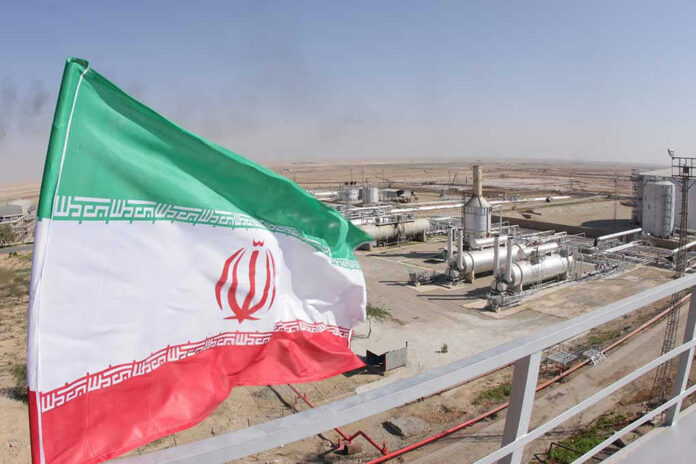
U.S. Secretary of War Pete Hegseth delivers a stark warning to Tehran, declaring American forces dominate Iranian skies until President Trump decides the strikes end—signaling total victory over a regime on the brink.
Story Highlights
- Secretary Hegseth and Gen. Dan brief on Day 4 of U.S.-Israeli strikes obliterating Iran’s missiles, navy, nuclear sites, and leadership.
- President Trump signals nearing objectives, confirms killing of Supreme Leader Ali Khamenei, and eyes winding down without ceasefire.
- U.S. air superiority over Tehran achieved; Iranian counterattacks intercepted, navy annihilated.
- 75 retired U.S. military leaders back strikes to crush Iran’s terror networks and nuclear ambitions.
- Global oil risks from Hormuz blockade underscore need for decisive U.S. action against threats to American interests.
Hegseth’s Direct Warning to Tehran
Secretary of War Pete Hegseth and Joint Chiefs Chairman Gen. Dan held a press briefing on March 21, 2026, four days into Operations Epic Fury and Roaring Lion. U.S. and Israeli forces targeted Iran’s ballistic missile production, navy, nuclear infrastructure, and top leaders. Hegseth emphasized relentless airstrikes aimed at total defeat of Iranian capabilities. He highlighted U.S. air dominance over Tehran, with pilots flying missions at will. Defensive systems intercepted thousands of Iranian missiles and drones, preventing any significant damage.
Trump’s Strategic Signals and Leadership Strikes
President Donald Trump posted on Truth Social March 20, stating operations neared key objectives after confirming the death of Supreme Leader Ali Khamenei and senior officials. Trump rejected ceasefire talks, declaring victory and considering wind-down. He noted allies must secure the Strait of Hormuz post-operation. This approach contrasts past vague red lines, enforcing U.S. terms unilaterally. Iranian proxies like Hezbollah suffered over 1,000 losses in Lebanon, weakening regional threats.
Historical Threats and Pre-Operation Support
Iran’s enmity traces to the 1979 embassy hostage crisis, 1983 Beirut bombing killing 241 U.S. troops, and proxy attacks via Hezbollah, Houthis, and militias. Post-2025 12-Day War, Iran ramped missile production, vowing U.S. expulsion and Israel’s destruction. On March 3, 2026, 75 retired U.S. generals and admirals issued an open letter endorsing strikes. They cited Iran’s terror sponsorship and nuclear pursuit, aided by Russia, China, and North Korea, as justification for U.S.-Israeli action.
Current Progress and Uncertainties
By March 21, blasts rocked Tehran amid ongoing hunts for IRGC leaders. U.S. deployed 2,200-2,500 Marines for support, despite air-focused campaign with no ground troops committed. Iran blockaded Hormuz, risking 20% of global oil and LNG flows. Iranian claims of “dizzying blows” clash with U.S. reports of obliterated capabilities. Allies show reluctance for post-war roles, while Russia and China eye U.S. strain.
Implications for U.S. Primacy
Short-term, strikes disrupt Iranian reconstitution, protecting U.S. forces and allies. Long-term, they deny Iran nuclear weapons forever, weaken the regime, and spur potential uprisings. Economic sanctions persist amid oil volatility. This sets precedent for decisive action, validating U.S. defense tech and securing navigation. Both conservatives and liberals see federal resolve countering elite failures, restoring American strength against globalist hesitance.
Sources:
Secretary of War Pete Hegseth and Chairman of the Joint Chiefs of Staff Gen. Dan [Transcript]
Open Letter from 72 Retired US Military Leaders in Support of Joint US-Israeli Strikes on Iran
Trump, allies vague on Iran endgame
From allies to enemies: 10 key turning points in US-Iran relations