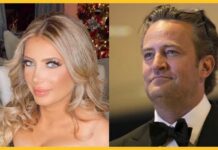

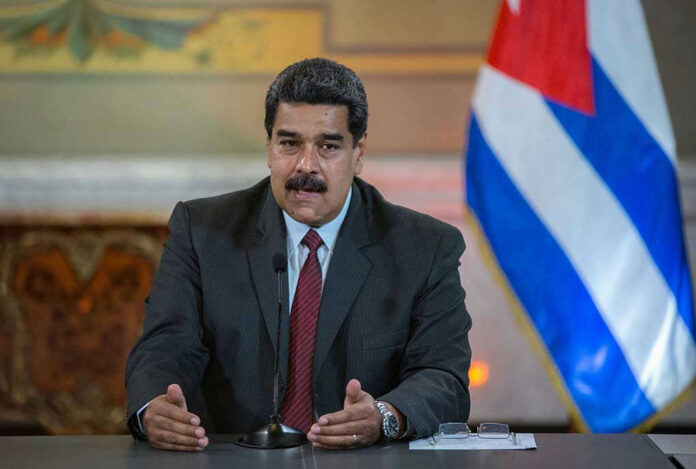
Fidel Castro’s own grandson publicly declares himself a capitalist, offering to broker a deal with President Trump to dismantle Cuba’s failed socialist regime.
Story Highlights
- Tony Castro, Fidel’s grandson and orthopedic surgeon, rejects socialism amid Cuba’s blackouts and shortages, embracing capitalism after global travels.
- In a Miami Herald interview, he proposes negotiating with Trump to normalize relations and ease U.S. sanctions if Cuba reforms.
- Cuban state media denounces his words as Yankee propaganda, censoring the viral story while protests rage on.
- Trump administration tightens sanctions in 2026, showing no rush for a deal despite Tony’s overtures and ongoing crisis.
Tony Castro Breaks from Family Legacy
Antonio “Tony” Castro Soto del Valle, 45-year-old grandson of Fidel Castro through his son Alexis, stunned the world in a February 2025 Miami Herald interview from Madrid. The orthopedic surgeon and former Cuban baseball representative declared himself a capitalist, disillusioned by Cuba’s economic collapse. Blackouts lasting 72 hours, food shortages, and a 10% GDP drop in 2024-2025 fueled his criticism of government mismanagement. Tony remains in Cuba practicing medicine, not defecting, but his words contrast sharply with his grandfather’s anti-capitalist revolution.
Cuba’s Crisis Fuels Insider Dissent
Cuba faces its worst crisis since the 1990s Special Period, with inflation at 30%, suppressed protests, and COVID-devastated tourism under prior Biden sanctions. Tony, born in 1980 and exposed to global economies through international travel, highlighted these failures. Cuban President Miguel Díaz-Canel’s regime censored the interview, labeling it propaganda via Granma. This marks the first time a Castro family member publicly identifies as capitalist, echoing limited family precedents like niece Alina Fernández’s 1993 defection.
Trump’s Hardline Stance Amid Stalemate
President Trump’s second term began January 20, 2025, pledging to reverse Obama’s 2014 Cuba thaw. Tony offered to “strike a deal” for reforms easing the U.S. embargo, which costs Cuba $2 billion annually. By March 2026, Trump imposed new sanctions without pursuing talks, prioritizing Venezuela. Tony reaffirmed his views on Instagram Live, stating “Capitalism isn’t perfect, but it works better than this,” amid intensified protests where he treats patients. U.S.-Cuba relations remain frozen.
Cuban exiles in Miami, including Rep. María Salazar, hail Tony as a hero pressuring Díaz-Canel. His symbolic rebellion amplifies online dissent by 30% and boosts defection attempts by 15%, per UNHCR data. Experts like economist Carmelo Mesa-Lago call it a watershed reflecting elite frustration, while dissident Yoani Sánchez deems it brave but risky. Trump holds leverage via sanctions, demanding democracy concessions before any thaw. This insider voice validates conservative calls for free markets over socialism’s failures.
Potential Path to Hemispheric Stability
A deal could fracture the Castro legacy, inspiring Cuban youth reformers and ending the embargo. Short-term, Miami rallies cite Tony; long-term, it signals Latin America’s left decline. U.S. gains political leverage for 2026 midterms without committing troops—aligning with America First priorities. Cuban Foreign Ministry dismisses him as unrepresentative, but his family name amplifies the challenge to socialism. Monitoring continues as protests grow.
Sources:
Reuters (Jan 2025 Cuba crisis timeline)
Council on Foreign Relations (CFR) Cuba Timeline
U.S. State Dept Cuba page (updated Mar 2026)